


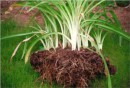
Division works best for plants that form dense root clumps—like peace lilies, spider plants, ferns, and many perennials. The ideal time is early spring, just as new growth begins, or when the plant becomes pot-bound.
Plants like caladiums, gloxinias, tuberous begonias, and cyclamen grow from thickened underground stems (tubers). In spring, as they break dormancy:
Keep newly divided plants evenly moist, humid, and warm (70–80°F). Avoid fertilizer for 4–6 weeks until new roots develop.
35-Year-Old Schefflera Lost Leaves: Likely Dead, Consider Replacement
Identifying and Propagating Wild Tiny Tomato Plants
Rooting Southern Magnolia Cuttings
Grapevine Propagation: Rooting Cuttings With and Without Hormone
Dividing Russian Sage: A Simple Guide to Propagating This Hardy Perennial
Propagating Bougainvillea from Cuttings: A Step-by-Step Guide
Propagating Sycamore Trees from Seed Balls: Dallas Climate Guide
Propagating Honeysuckle by Layering: A Simple Method
Propagating Ocotillo from Cuttings: A Simple Method
Orchid Propagation Myths: Can You Grow Orchids from Leaf Cuttings?
Clivia Propagation: Division Timing & Seed Growing
Complete Guide to Clivia Propagation: Offsets, Seeds, and Bloom Secrets
Copyright © www.100flowers.win Botanic Garden All Rights Reserved