


Peperomias—affectionately called radiator plants—are the unsung heroes of the houseplant world. With 1,500+ species spanning succulent, tropical, and epiphytic types, there's a peperomia for every niche. Their diverse foliage (rippled, watermelon-striped, heart-shaped, trailing) and compact size make them perfect for shelves, terrariums, and desks. Best of all? They're non-toxic and refreshingly low-drama.
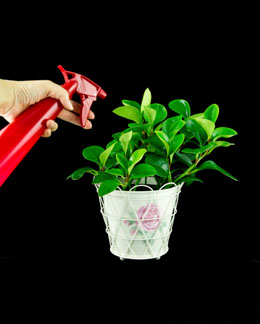
| Type | Height | Stars | Vibe |
|---|---|---|---|
| Upright | 8–12 in | P. obtusifolia (baby rubber), P. clusiifolia 'Jelly', P. magnoliifolia | Bushy, shrub-like |
| Rosette / Mounding | 6–10 in | P. caperata (emerald ripple), P. argyreia (watermelon), P. rosso | Textural, colorful |
| Trailing | 12–18 in | P. prostrata (string of turtles), P. rotundifolia, P. hope | Cascading, terrarium |
Bright indirect (east/north window, or 3+ ft from south/west). Tolerates medium light—growth slows, variegation fades. No direct sun. Great under grow lights.
Semi-succulent = drought-tolerant. Water when top 50–75% of soil is dry. Bottom watering prevents crown rot. Winter: cut frequency by half.
Light, airy, well-draining. Mix: 2 parts peat/coco coir + 1 part perlite + 1 part orchid bark/pumice. Or quality cactus mix + extra perlite.
Average home humidity (40–50%) works. Loves 60%+. Temp: 65–80°F (18–27°C). Avoid cold drafts.
Light feeder. Balanced liquid at ¼ strength, monthly April–Sept. None in winter.
Rat-tail spikes (greenish-white). Interesting, not showy. Bloom indicates happiness. No need to deadhead.
| Symptom | Cause | Fix |
|---|---|---|
| Mushy stems, leaf drop | Overwatering / crown rot | Repot in dry mix; cut water |
| Leggy, pale, small leaves | Low light | Brighter spot; prune |
| Brown, crispy edges | Low humidity / fluoride | Pebble tray; filtered water |
| Mealybugs in leaf axils | Common pest | Alcohol swab; neem oil |
Non-toxic. Pet-safe. Compact. Diverse. Long-lived. Propagation addicts' dream. Once you start, you'll want one of each.
Peperomia Problems After Repotting & Dividing
Peace Lily (Spathiphyllum) Care Essentials
Identifying a Plant with Heart-Shaped Pink Flowers: Likely an Anthurium
Peperomia 'Meridana'? Likely Peperomia Obtusifolia—Care Guide
Identifying Peperomia obtusifolia: Thick-Leaved Upright Type
Aloe Leaves Flat, Not Plump? Could Be Variety or Light, Not Water
Reviving a Struggling Indoor Hibiscus in Michigan
Prayer Plant Care Guide: Tips for Growing Maranta Successfully
Caring for Epipremnum Pinnatum 'Marble Queen' (Pothos) as a Houseplant
Mystery Plant in Rocks: Not a Bonsai? Could Be Bamboo
Peperomia (Radiator Plant): 1,000+ Varieties of Thick-Leaved Charmers
Bougainvillea Plant Care: Growing This Tropical Bloomer Indoors
Firecracker Plant (Russelia equisetiformis): Cascading Coral Blooms for Sun
Copyright © www.100flowers.win Botanic Garden All Rights Reserved