


Looking to add a burst of continuous color to shaded garden beds, borders, or hanging baskets? Impatiens (Impatiens walleriana), affectionately known as "Busy Lizzie," is a top choice for gardeners across North America. Native to Eastern Africa, this tender perennial grown as an annual delivers vibrant blooms from spring until frost with minimal fuss.
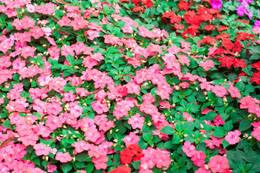
Set out transplants after all danger of frost has passed. Space plants 12–18 inches apart in prepared soil amended with compost. For containers, use a high-quality potting mix with good drainage.
Impatiens thrive with consistent moisture but hate soggy roots. Water deeply when the top inch of soil feels dry. Mulch around plants to retain moisture and keep roots cool.
Pinch back leggy stems by one-third in midsummer to encourage bushier growth and a fresh flush of blooms. Deadheading is not strictly necessary as plants are self-cleaning, but removing spent flowers can improve appearance.
In frost-free climates, cut plants back in late winter and fertilize to rejuvenate for another season.
Impatiens essence has a place in Bach flower remedies. Discovered by Dr. Edward Bach in 1928, the essence is traditionally used to address impatience, irritability, and stress-related tension—reflecting the plant's namesake trait of explosive seed dispersal when touched.
Impatiens are susceptible to bacterial and fungal issues, especially in humid, crowded conditions.
Symptoms: Sudden wilting, stem collapse, yellowing on stem undersides.
Symptoms: Brown spots/bumps on leaves and stems, yellowing foliage, fuzzy gray mold.
Mass plant a single color for a bold carpet effect, or mix shades for a tapestry look. Pair with ferns, hostas, caladiums, and begonias for a lush shade garden. In containers, combine with trailing lobelia or sweet potato vine for a "thriller-filler-spiller" design.
Flowers for an Attractive Garden
Silk Wedding Flowers: Permanent Beauty for Your Special Day
The Truth About Flowers: Biology, Uses, and Cultural Power
Growing Borage: Companion Planting, History, and Harvest Tips
All About Impatiens: The Shade-Loving Annual for Continuous Color
Fascinating Flower Facts: Biology, History, and Surprising Uses
18 Fragrant Flowers to Transform Your Garden into a Scented Sanctuary
Jack-in-the-Pulpit: The Fascinating Sex-Changing Wildflower
Best Annual Flowers for Shade Gardens: Color Without Full Sun
Perennial Purple Flowers: Designing a Royal Garden Palette
Flowers You Can Eat: A Guide to Growing and Harvesting Edible Blooms
Copyright © www.100flowers.win Botanic Garden All Rights Reserved