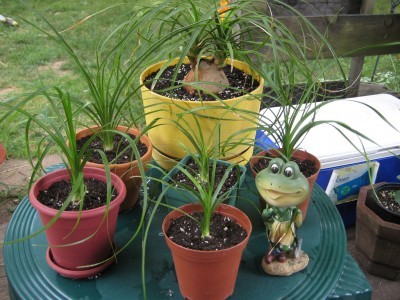
Hardening Off Houseplants: Moving Plants Outdoors for Summer
Most houseplants thrive with a summer vacation outdoors, but the transition requires “hardening off”—a gradual adjustment to prevent sunburn, wind damage, and shock. Here’s how to do it right. Moving Houseplants Outside

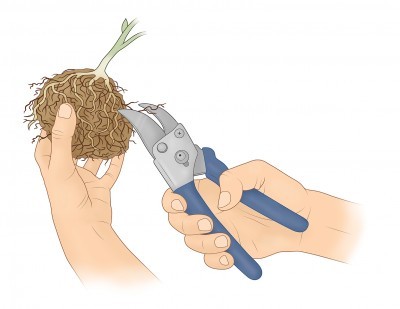
Root Pruning Houseplants: How to Trim Roots on Rootbound Plants
When a houseplant becomes rootbound—its pot filled with a dense, circling root mass—growth stalls and health declines. Root pruning is a standard technique to rejuvenate such plants, allowing them to stay in the same po
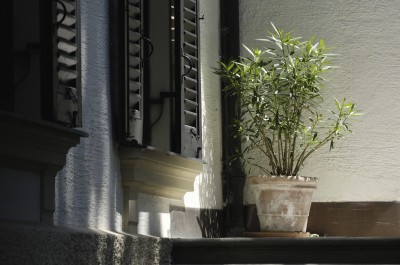
How to Acclimate Outdoor Houseplants for Winter Indoors
Moving houseplants outside for summer gives them a growth boost, but bringing them back inside requires a careful transition. Most houseplants are tropical and cannot withstand temperatures below 45°F (7°C). Without pro
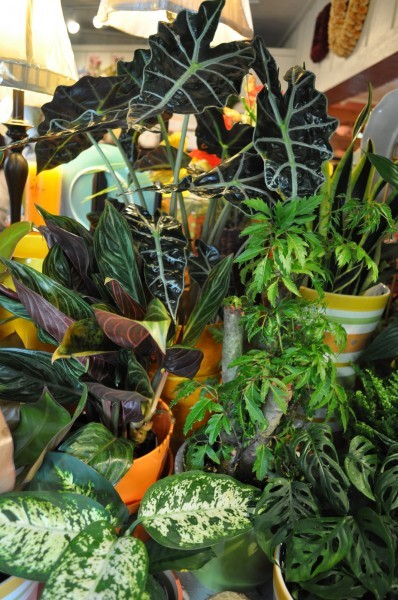
Essential Houseplant Care: Light, Water, Fertilizer & Temperature Basics
Growing houseplants does more than beautify your home—it purifies the air and boosts well-being. Most houseplants originate from tropical regions, so understanding their basic needs is key to long-term success. Here’s a
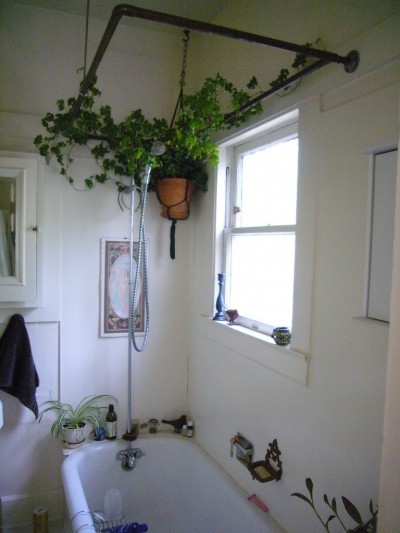
Best Bathroom Plants: Thriving Greenery for Low-Light, High-Humidity Spaces
Transforming your bathroom into a lush, spa-like retreat is easier than you think. Bathrooms often provide the perfect environment for tropical houseplants—low light, high humidity, and consistent warmth mimic their nat
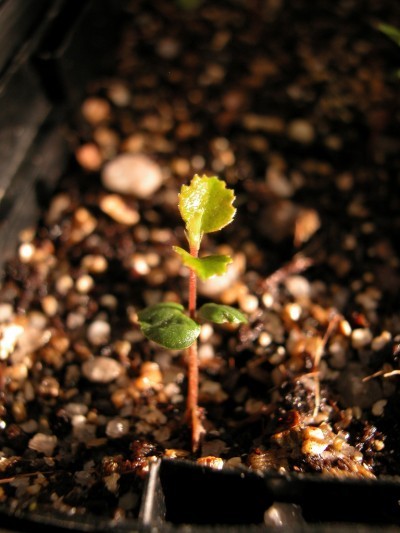
Propagating Houseplants from Seed: A Complete Guide
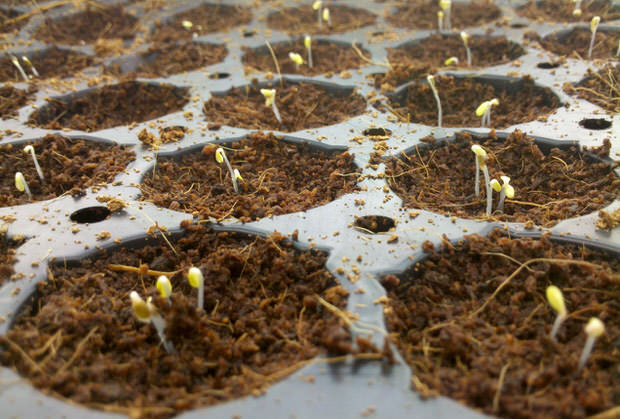
Growing houseplants from seed yields stronger, home-adapted plants at lower cost. Seeds less common than cuttings but offer unique rewards. Sourcing Seeds Mail-order catalogs, online, garden centers (spring). Buy by wei
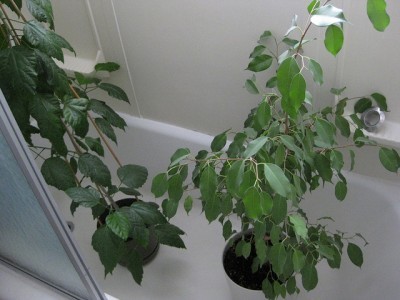
Cleaning Houseplants: Methods for Healthier, More Attractive Foliage
Clean leaves photosynthesize better, resist pests, and look beautiful. Simple household items work—no commercial cleaners needed (they clog stomata). Cleaning Methods Dusting: Cheesecloth, damp paper towel, feather dus
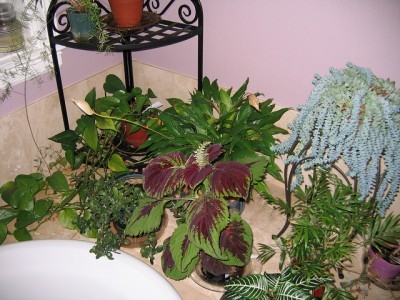
Increasing Humidity for Houseplants: Methods for Healthier Tropical Plants
Homes are drier than greenhouses—especially winter with heating. Tropical houseplants need 40-60% humidity. Signs of low humidity: brown leaf edges, wilting, bud drop, flower shriveling. Effective Humidity Methods Mist
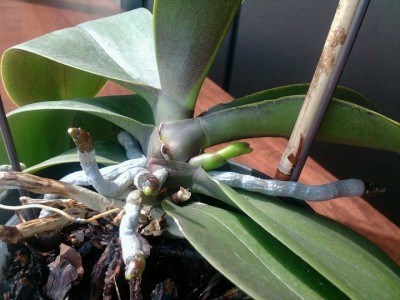
Aerial Roots on Houseplants: What They Are and How to Use Them
Aerial roots grow above ground on stems and vines. Functions: anchoring (climbers), moisture/nutrient absorption, gas exchange (bog plants), propagation. Some removable; others essential. Propagating from Aerial Roots
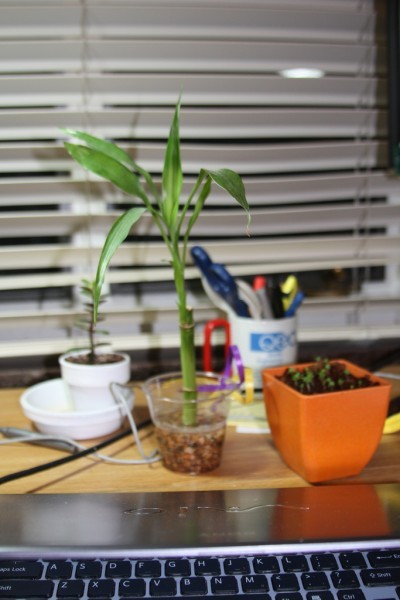
Dorm Room Plants: Best Low-Light, Low-Maintenance Options for Students
Dorm rooms challenge plants: low light, limited space, irregular care. Choose tough, compact varieties that purify air and boost mood in stressful environments. Low-Light Dorm Plants Snake plant, philodendron, grape ivy
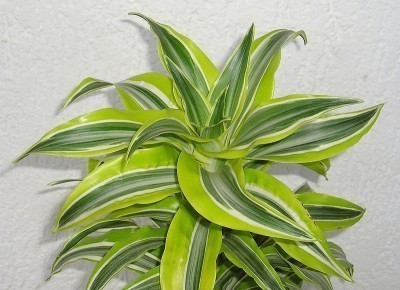
Allergy-Friendly Houseplants: Best Plants for Allergy Relief
Energy-efficient homes trap allergens. Certain houseplants collect pollen and pollutants, cleaning air without adding pollen. Large-leaved, low-pollen varieties work best—if maintained properly. Care for Allergy-Relief
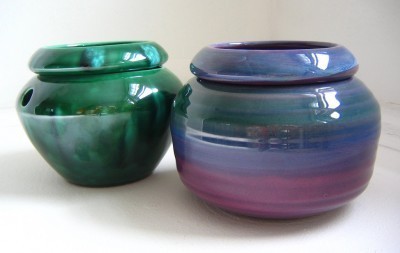
Bottom Watering Houseplants: Healthier Roots, Less Mess
Bottom watering—placing pots in water to absorb moisture upward—strengthens roots, prevents leaf spotting (African violets), and ensures thorough soil saturation. Ideal for root-bound plants where top watering runs off.
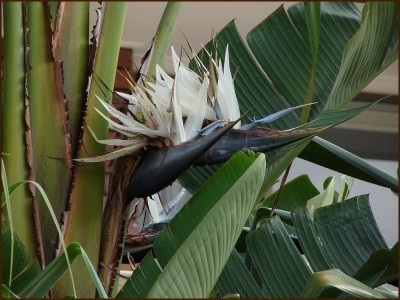
Splitting Houseplant Leaves: Causes and Solutions
Leaf splitting usually signals environmental stress. Large-leaved plants (bird of paradise, banana) split naturally in wind/breeze—normal if near fans or airflow. For others, splitting indicates low humidity. Addressing
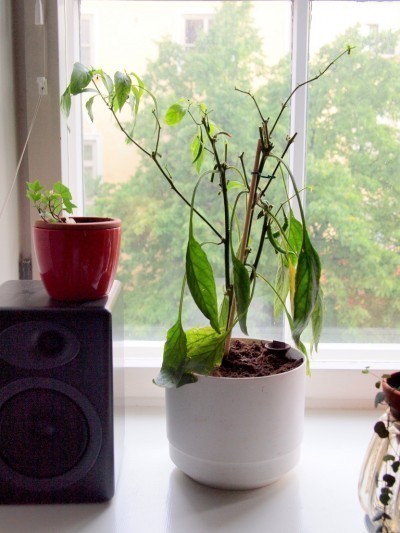
Repotting Stress: Helping Plants Recover from Transplant Shock
Repotting at wrong times or with poor technique causes transplant shock: wilting, yellowing, leaf drop, failure to thrive. Recovery requires pampering. Causes of Transplant Shock Repotting pre-bloom (spring) when plant
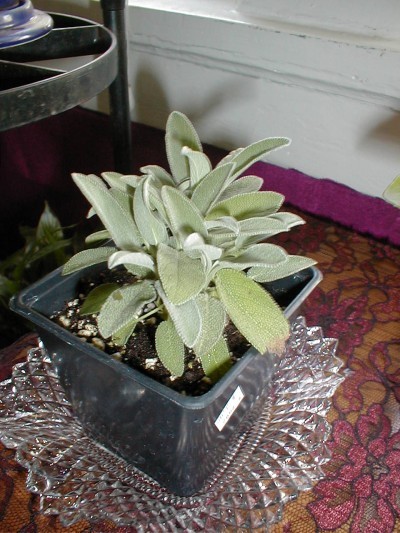
Edible Houseplants: Growing Herbs, Fruits, and Vegetables Indoors
Grow food indoors year-round—pesticide-free, affordable, and deeply satisfying. Even apartments support surprising variety with adequate light (6-8 hours), drainage, and care. Herbs (Most Need Full Sun) Basil, bay, bora
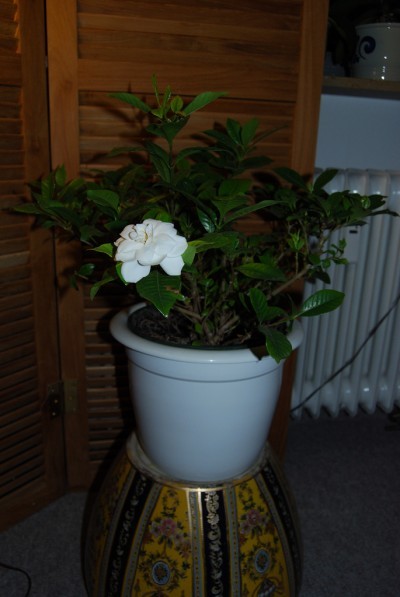
Fragrant Houseplants: Best Aromatic Plants for Indoor Growing
Fragrant houseplants replace artificial air fresheners, especially in winter. From challenging gardenias to easy herbs, theres an aromatic plant for every skill level. High-Maintenance Fragrance Stars Gardenia: Intense
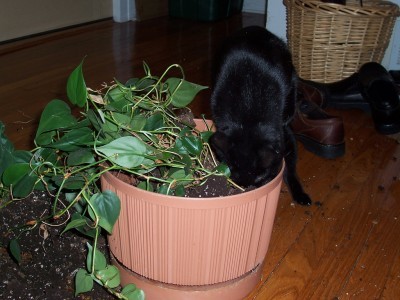
Cat-Proofing Houseplants: Plants Cats Avoid and Deterrent Strategies
Cats chew plants, dig in soil, knock over pots—but you can have both felines and flora. Strategic plant choices and deterrents create harmony. Plants Cats Dislike Rosemary: Strong aroma repels cats; provides culinary h
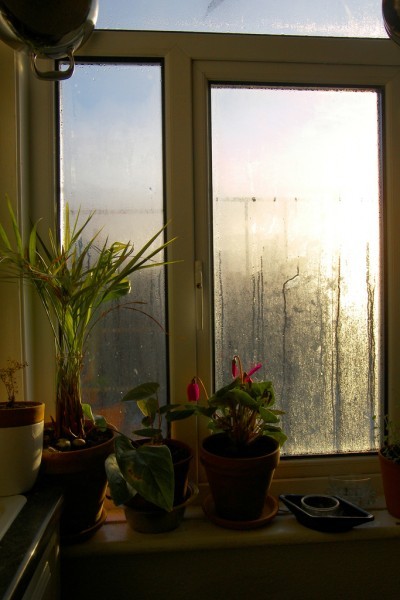
Reducing High Indoor Humidity: Protecting Plants and Home
While tropical plants love humidity, most houseplants suffer from excess moisture—fungal/bacterial diseases thrive, condensation spreads spores. Modern airtight homes and greenhouses often need dehumidification. Home Hu
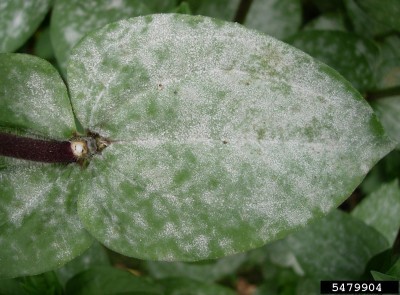
Powdery Mildew on Houseplants: Identification, Treatment, and Prevention
White powdery spots on leaves? Powdery mildew—a contagious fungal disease thriving in 70°F, low light, poor air circulation, and dry indoor conditions. Act fast to prevent spread. Immediate Cultural Controls Dont mist;
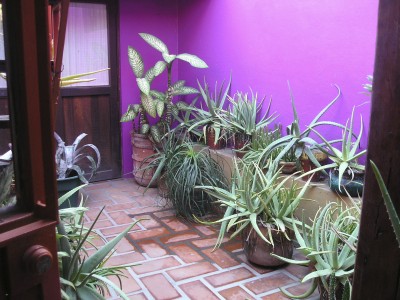
Indoor Atrium Gardens: Best Plants for Low Light and Sunny Locations
Atrium gardens bring nature indoors, improving air quality and wellbeing. Plant selection depends on light levels, but also humidity, temperature, and space. Low/Moderate Light Atrium Plants Bright enough to read at mid
Copyright © www.100flowers.win Botanic Garden All Rights Reserved