


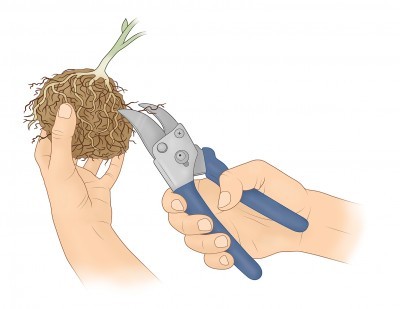
When a houseplant becomes rootbound—its pot filled with a dense, circling root mass—growth stalls and health declines. Root pruning is a standard technique to rejuvenate such plants, allowing them to stay in the same pot longer or transition to a new one successfully.
Signs include yellowing leaves, wilting despite watering, and a pot shaped by roots with little soil left. The root ball often mirrors the container’s shape.
Root pruning temporarily stunts growth, keeping the plant manageable and improving soil-to-root ratio for better nutrient uptake.
Make root checks an annual habit to prevent severe rootbinding and keep houseplants vigorous.
Mysterious Root-Like Clumps in Garden Soil: Fungal Mycelium or Something Else?
Understanding True Roots in Conifers vs. Non-Vascular Plants
Low-Light Houseplants for Sliding Glass Door Conditions
Spider Mite Infestation on Multiple Houseplants
Eliminating Fungus Gnats from Indoor Plants: Complete Treatment Guide
Hardening Off Houseplants: Moving Plants Outdoors for Summer
Moving Water-Rooted Cuttings to Soil: Timing, Pot Size, and Alternative Propagation Methods
Dividing Peace Lilies for Betta Fish Planters (Aquatic Terrariums)
Moving Funeral Houseplants Outdoors for Summer
Leaf Cutting Propagation: Multiply Your Houseplants for Free
Wetland Plants: Types, Ecological Roles, and Human Uses
Copyright © www.100flowers.win Botanic Garden All Rights Reserved