


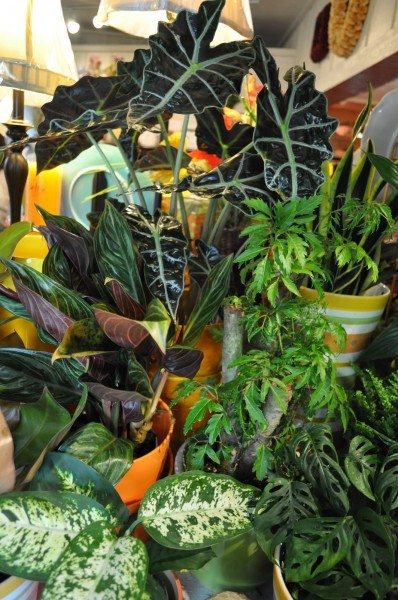
Growing houseplants does more than beautify your home—it purifies the air and boosts well-being. Most houseplants originate from tropical regions, so understanding their basic needs is key to long-term success. Here’s a straightforward guide to the fundamentals of indoor plant care.
Check the plant tag or ask the giver about light requirements. Generally, houseplants fall into three categories:
High-light plants need 5+ hours of bright light daily within 6 feet of a window. Medium-light plants thrive with several hours of bright or indirect light. Low-light plants survive in dimmer spots but will fail in perpetually dark rooms.
Water only when the top inch of soil feels dry. This “dry to the touch” method works for most houseplants. Exceptions: succulents and cacti need soil completely dry before watering; a few moisture-loving plants prefer consistently damp soil. Tags usually note special needs.
Both work well; choose based on convenience.
Most houseplants prefer 65–75°F (18–21°C). They can tolerate down to 55°F (13°C) briefly but won’t thrive long-term. Avoid cold drafts and sudden temperature swings.
Master these basics, and your indoor garden will flourish year-round.
Hibiscus on a Shady Balcony: Light Adaptation and Fertilizer Tips
Dendrobium Light Assessment: Flowering History Matters More Than Theory
Choosing the Best Artificial Lights for Indoor Herb Gardening: Fluorescent vs LED
Florist Azalea Care: Watering, Light, and Reblooming Challenges
Bringing Houseplants Indoors for Winter: Pest-Free Transition
Office Nepenthes Lighting: 42W Compact Fluorescent Setup Evaluation
Nepenthes gymnamphora Care: Light, Humidity, and Temperature
Money Tree Yellow Leaves: Light Deficiency, Not Nutrients
Best Low-Light Houseplants and Artificial Lighting Options
Houseplant Survival Guide for Low-Light Apartments
Ficus Tree (Weeping Fig) Care: Water, Fertilizer, Leaf Drop Myths Debunked
Leggy Umbrella Plant (Schefflera) Needs Light, Not a 60-Watt Bulb
Copyright © www.100flowers.win Botanic Garden All Rights Reserved