


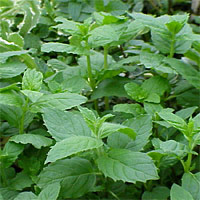
The mint family offers tremendous diversity of refreshing scents and tastes for cooking, beverages, and potpourri. But as a garden plant, mint is invasive—it will take over the entire bed. Consider confining it to containers.
Spearmint is most common in the kitchen for mint juleps, sauces, jellies, teas, and fruit salads. Very fragrant, 2–3 feet tall with pale violet mid-to-late summer blooms. Peppermint has strong aroma, grows to 3 feet with smooth 1–3 inch leaves. A dozen+ other varieties exist, including fruit-scented types like orange mint.
Choose a site in full sun to part shade with moist soil. Or, due to invasiveness, grow in containers filled with compost-enriched potting mix.
For a full bed, start with 1–2 purchased plants set 2 feet apart in a sunny location—they'll quickly fill in.
Use light mulch to retain moisture and keep leaves clean. Container plants need regular watering to keep soil evenly moist. Otherwise, mint needs little care.
Growing Wisteria from Seed: A Complete Guide to Bonsai, Blooms, and Finding Free Plants
Caring for Established Blue Euphorbia: Watering Timing Matters
Plants Around a Chlorinated Pool: Salt Is the Real Enemy
Killing Thorny Pasture Weeds Without Harming Cattle or Grass
Yucca Plant Lost Leaves: Likely Needs Replacement
Native Prairie Wildflowers for a Sunny, Dry School Garden in New York
Aphids on Drosera filiformis: Safe Insecticide Resources
LED Grow Lights: Intense for Low-Light Plants, Good for Nepenthes Supplement
Mealybugs on Drosera multifida: Systemic Treatment Required
Building a Microbog in a Chicago Kitchen Sink: Drainage, Hardy Species, and Winter Mulching
Incorporating Carnivorous Plants into an Indoor Topiary Art Project
Understanding Light Terms: Filtered vs. Partial Sun and Fluorescent Equivalents
Copyright © www.100flowers.win Botanic Garden All Rights Reserved