


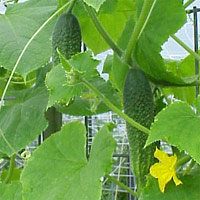
For a heat-loving plant, the cucumber carries strong associations with coolness—sliced on eyelids, in summer salads, and as a refreshing snack. Its crisp texture and mild flavor make it a garden favorite.
Many types exist: picklers, slicers, gherkins, white, and bush varieties. Pickling cucumbers are small, often warty, and used for sweet pickles or dills, but can be eaten fresh. Slicers produce 5- to 8-inch cylindrical fruits for fresh eating. Cucumbers thrive in long, hot, humid days with maximum sun and warm nights. They are extremely frost-sensitive.
Choose a site with full sun and well-drained soil. Prepare the bed by loosening soil to 12–15 inches and mixing in a 2- to 4-inch layer of compost.
Sow seeds outdoors only after all frost danger has passed and soil has warmed. Make a second sowing 4–5 weeks later for a late summer/early fall harvest. For an earlier start and to reduce seedling pest damage, start a few plants indoors in individual pots about a month before the last spring frost.
Row planting: Sow seeds 1 inch deep, 6 inches apart. Hill planting: Plant 4–5 seeds in 1-foot-diameter circles spaced 5–6 feet apart. Set up trellises for climbing—trellised cucumbers are straighter and have fewer pest and disease issues.
Thin row plants to 1–2 feet apart (depending on variety) when 3–4 inches tall. Thin hill plants to the healthiest two when they have 2–3 leaves. Keep soil evenly moist to prevent bitterness. Apply thick mulch about 4 weeks after planting. Contact your extension office for pest controls (cucumber beetles, squash vine borers, whiteflies).
Once fruits reach picking or slicing size, harvest every couple of days to prevent oversized or yellow cucumbers and to keep plants productive. Pickling varieties pass their peak quickly.
Aspirin for Plants: Activating Natural Defense Pathways
Iron's Essential Role in Plant Growth: A Science Project Guide
Beetles, Grubs & Ants in Saudi Garden: Safe Control Options
Thick White Fungus Around Ferns and Roses: Nuisance or Threat?
Growing Wisteria from Seed: A Complete Guide to Bonsai, Blooms, and Finding Free Plants
Caring for Established Blue Euphorbia: Watering Timing Matters
Killing Thorny Pasture Weeds Without Harming Cattle or Grass
Yucca Plant Lost Leaves: Likely Needs Replacement
Do Aloe Plants Have Male/Female Sexes?
Sunlight vs. Artificial Light for Plant Growth
Native Prairie Wildflowers for a Sunny, Dry School Garden in New York
Aphids on Drosera filiformis: Safe Insecticide Resources
LED Grow Lights: Intense for Low-Light Plants, Good for Nepenthes Supplement
Copyright © www.100flowers.win Botanic Garden All Rights Reserved