


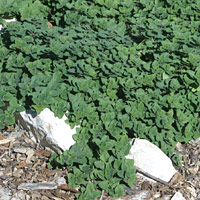
A close oregano relative, marjoram is popular in casseroles, stuffings, and sauces. Sweet marjoram is a tender perennial rarely surviving even mild winters, so seeds or cuttings must be started annually.
Marjoram grows upright to 2 feet tall. Creeping golden marjoram is smaller and makes an attractive border plant.
Choose a site in full sun with slightly alkaline, organic-rich soil.
Seeds are tiny—start indoors ~6 weeks before last frost. Space plants 6–8 inches apart, or in clumps of 2–3 plants set 12–14 inches apart. 6–10 plants supply a household's needs.
Keep soil slightly moist. Cultivate often to prevent weeds and aerate soil. Add 1 inch of compost in a 12-inch circle around plants after each harvest to nourish them.
When flowers appear, cut plants to several inches above soil. Cut again later when more flower heads form. Use leaves fresh and dry for winter. To dry: tie stems, hang upside down in a ventilated, dark area. Leaves dry quickly and retain flavor well. After drying, crush leaves, discard stems, store in airtight containers.
Plants Around a Chlorinated Pool: Salt Is the Real Enemy
Killing Thorny Pasture Weeds Without Harming Cattle or Grass
Yucca Plant Lost Leaves: Likely Needs Replacement
Do Aloe Plants Have Male/Female Sexes?
Sunlight vs. Artificial Light for Plant Growth
Native Prairie Wildflowers for a Sunny, Dry School Garden in New York
LED Grow Lights: Intense for Low-Light Plants, Good for Nepenthes Supplement
Mealybugs on Drosera multifida: Systemic Treatment Required
Building a Microbog in a Chicago Kitchen Sink: Drainage, Hardy Species, and Winter Mulching
Incorporating Carnivorous Plants into an Indoor Topiary Art Project
Understanding Light Terms: Filtered vs. Partial Sun and Fluorescent Equivalents
Deionized Water for Carnivorous Plants: Testing and Validation
Importing Carnivorous Plants from Taiwan to the US via Japan: Regulations and Realities
Copyright © www.100flowers.win Botanic Garden All Rights Reserved