


Types of Trees: Complete Classification Guide
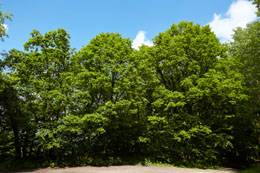
With ~20,000 tree species globally (1,000+ in USA), classification helps make sense of diversity. Trees are perennial woody plants with single trunks (≥10 cm diameter) and secondary branches, typically 3–6+ meters tall.

Hardwood Trees: Major Species, Characteristics & Uses
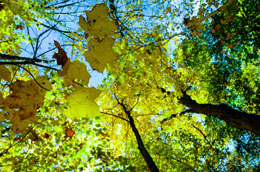
Hardwoods—angiosperm trees producing dense, durable wood—dominate temperate and tropical forests. Beyond lumber, they provide food, shade, habitat, and ecosystem services. This guide covers key North American and tropica
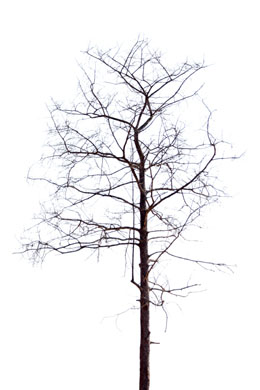
Bare Root Trees: Pros, Cons & Best Species for Winter Planting
Bare root trees—dug from nursery fields and sold without soil—offer a cost-effective, high-success planting window during winter dormancy. With 200% more roots than container stock and no circling root issues, they estab
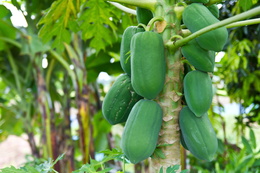
Pawpaw Tree Guide: Growing North America's Tropical-Flavored Fruit
The pawpaw (Asimina triloba)—also called Hoosier banana or poor mans banana—is a temperate-climate anomaly: a tropical-looking, tropical-tasting fruit tree native to eastern North America. Its custard-like fruit, shade t
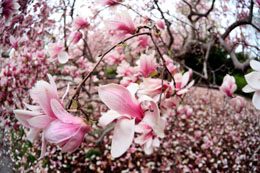
Tulip Tree Facts: North America's Tallest Eastern Hardwood
The tulip tree (Liriodendron tulipifera)—also called tulip poplar, yellow poplar, or saddle-leaf tree—is a magnolia relative, not a poplar. Its tulip-shaped flowers, distinctive leaves, and towering height make it a stan
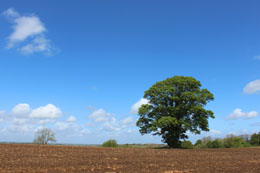
Sycamore Tree Facts: Ancient Giant of American Landscapes
The American sycamore (Platanus occidentalis) is a living fossil—its family (Platanaceae) dates back 100+ million years. Once native to Central Europe, now vanished there, it thrives in eastern North America as a massive
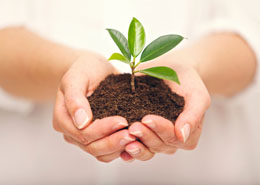
How to Save a Dying Tree: Diagnosis, Treatment & Prevention
Trees get sick from fungi, bacteria, viruses, drought, or nutrient deficits. Early intervention can often reverse decline. Signs of a Dying Tree Scanty/no leaves: Bare branches outside autumn; foliage only on a few l
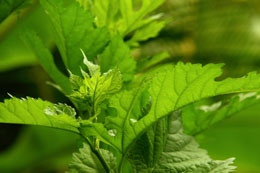
Fruitless Mulberry Tree: Landscape Benefits & Growing Guide
The fruitless mulberry (Morus alba male cultivars) solves the mess problem of fruiting mulberries while delivering dense shade, fast growth, and tough adaptability. Cultivated in China for 4,000+ years as silkworm food,
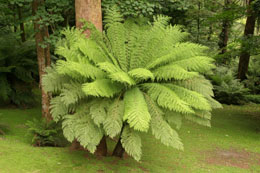
Australian Tree Fern (Cyathea cooperi): Care & Growing Guide
The Australian tree fern (Cyathea cooperi) brings prehistoric drama to gardens and interiors with its lacy, arching fronds and slender trunk. Fast-growing, adaptable, and surprisingly tough, its a favorite for tropical e
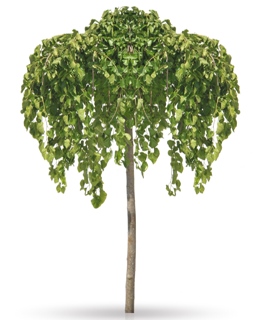
Weeping Mulberry Care Guide: Planting, Pruning & Harvesting
The weeping mulberry (Morus alba Pendula/Chaparral) combines dramatic form, wildlife value, and edible fruit in a tough, adaptable package. Native to China, its now global—fueling silk production and gracing gardens with
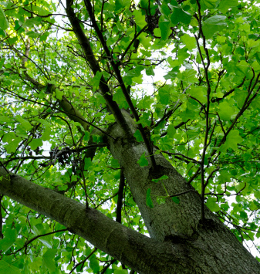
Sweet Gum Tree: Spectacular Fall Color & Landscape Guide
The sweet gum (Liquidambar styraciflua) is a landscape star—prized for its kaleidoscopic autumn display, distinctive star-shaped leaves, and stately form. Native to eastern North America, it thrives in diverse conditions
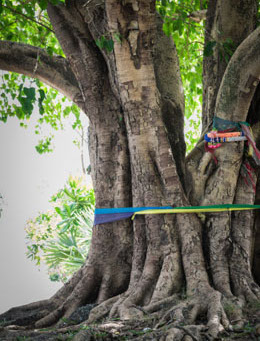
Sacred Fig (Pipal Tree): History, Uses & Botanical Profile
Few trees command such reverence across cultures as the pipal (Ficus religiosa), also called bodhi tree, bo tree, or sacred fig. From the Indus Valley to modern temples, this species bridges botany, spirituality, and tra
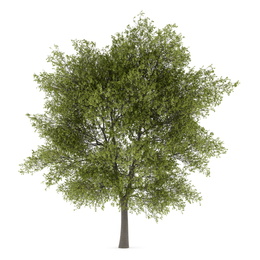
Poplar Tree Identification: 6 Species by Leaf, Bark & Form
The poplar genus (Populus, family Salicaceae) includes some of North Americas largest, fastest-growing hardwoods. But with multiple species—and the unrelated yellow poplar (tulip tree) causing confusion—accurate ID matte
Tree Identification Guide: Leaves, Bark & Branching Patterns
Identifying trees doesnt require a forestry degree. By learning a few key characteristics—especially leaves—you can distinguish most common North American species. This visual guide walks you through the process step by
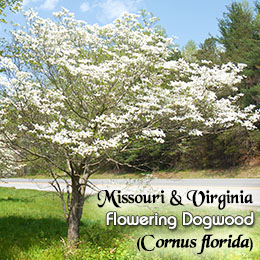
All 50 U.S. State Trees: Complete List with Photos & Facts
Every U.S. state has an official tree—chosen by legislation, public vote, or schoolchildren. The oak is Americas national tree (2004), symbolizing strength and endurance. Sugar maple claims four states. Hawaiis candlenut
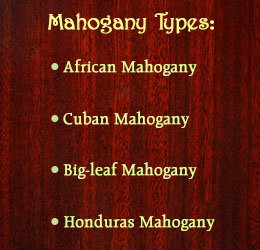
Types of Mahogany Wood: True vs. False Species Guide
Mahogany has been prized for centuries—its beauty, workability, and durability built empires and furnished palaces. But overexploitation has pushed true mahoganies to the brink. Understanding the species—and their lookal
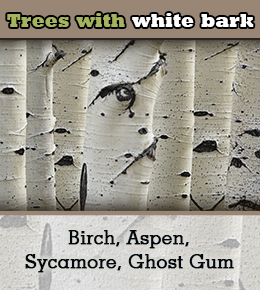
Trees with White Bark: 6 Stunning Species for Landscape Contrast
Why do some trees have white bark? Its a survival strategy: light-colored bark reflects sunlight, preventing overheating and sunscald in exposed or high-elevation sites. This adaptation creates striking visual interest i
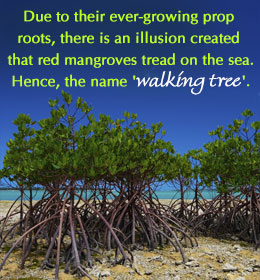
Red Mangrove Tree: 15 Vital Facts About Rhizophora mangle
The red mangrove (Rhizophora mangle) isnt a showy ornamental—its a coastal ecosystem engineer. Found across tropical and subtropical Americas, this true mangrove builds land, shelters marine life, and withstands conditio
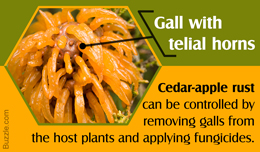
Cedar-Apple Rust: Identification, Life Cycle & 4 Effective Control Methods
Cedar-apple rust, caused by the fungus Gymnosporangium juniperi-virginianae, is a fascinating but destructive disease requiring two unrelated hosts—junipers and apples/crabapples—to complete its complex two-year cycle. U
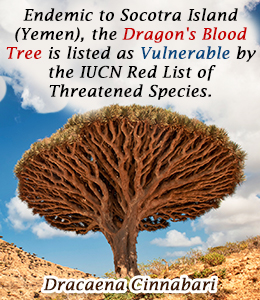
Dragon's Blood Tree: Astonishing Facts About Dracaena cinnabari
On Yemens remote Socotra Archipelago grows one of Earths most alien-looking trees: the dragons blood tree (Dracaena cinnabari). Its mushroom-shaped canopy, crimson resin, and ancient lineage make it a botanical marvel—an
Copyright © www.100flowers.win Botanic Garden All Rights Reserved