


With ~20,000 tree species globally (1,000+ in USA), classification helps make sense of diversity. Trees are perennial woody plants with single trunks (≥10 cm diameter) and secondary branches, typically 3–6+ meters tall. Here's how they're grouped.
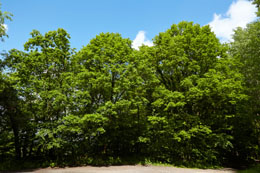
For field ID: Leaves > Bark > Fruit > Form. Leaves are most consistent; bark changes with age; fruit seasonal.
Planting Living Christmas Trees in Southeast Indiana
Jumping Oak Galls: The Hopping Gold Granules Under Oaks
Hawthorn Roots Near House: Fibrous, Non-Damaging
Florida Native Trees: ~90 Species, Live Oak Most Common
Poplar Copper Nails & Fir Topping: Stop Deep Fertilizing, No Wound Paint
Diagnosing Two Problem Trees: Borer and Canker
Newly Planted Pines Turning Brown: Transplant Shock
Low-Maintenance Tropical Trees & Plants for Florida Frontage
Creating a Tropical-Effect Garden in New Jersey: Cold-Hardy Palms, Bananas, and Southern Shrubs
Magnolia Trees Damaged by Pool Salt Runoff: Fertilizer & Barrier Strategy
Best Indoor Trees for a Warm Greenhouse in New York
Exploring Flower Varieties: From Garden Classics to Exotic Hybrids
Copyright © www.100flowers.win Botanic Garden All Rights Reserved