


Bare root trees—dug from nursery fields and sold without soil—offer a cost-effective, high-success planting window during winter dormancy. With 200% more roots than container stock and no circling root issues, they establish fast if handled right.
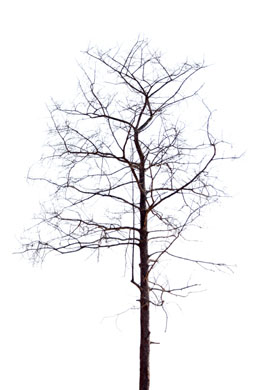
| Common Name | Scientific Name |
|---|---|
| English Oak | Quercus robur |
| Honeylocust | Gleditsia triacanthos |
| Shantung Maple | Acer truncatum |
| Red Oak | Quercus rubra |
| Japanese Tree Lilac | Syringa reticulata |
| Crabapples | Malus spp. |
| Hybrid Freeman Maple | Acer × freemanii |
Also excellent: Most deciduous fruit trees, roses, hedging plants, many shade trees.
Apricot Trees: History, Hybrids (Plumcot, Aprium, Pluot), Growing & Health
Composting Toilets: How They Work, Types, Pros & Cons for Off-Grid Living
Planting and Growing Betula (Birch): Heritage River Birch
Composting Toilets: Pros, Cons, and How They Work
Growing Peaches: Variety Selection, Planting, and Care Guide
Growing Plums: Beginner-Friendly Fruit Trees for Home Gardens
Apricot Tree Pollination and Seed Propagation Reality Check
Dead Lower Branches on Ponderosa Pine: Natural Shade Shedding
Removing Apricot and Plum Trees: Disease Concerns and Sucker Prevention
Build or Buy? The Truth About DIY Log Sheds
Planting Balled-and-Burlapped Trees and Shrubs
Copyright © www.100flowers.win Botanic Garden All Rights Reserved