


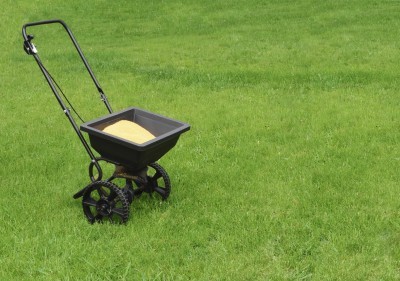
Grass is a heavy feeder. Understanding fertilizer labels, your soil's needs, and the right product type makes the difference between a thriving lawn and a struggling one.
The three numbers represent percentage by weight of:
A soil test reveals which nutrient is deficient and guides ratio selection (e.g., 10-10-10 balanced, 20-0-10 high N/low P).
Both synthetic (chemically derived, fast-acting) and organic (natural sources, slower release, soil-building) options exist in each form.
Mow frequently and leave clippings. They decompose quickly, returning nitrogen and organic matter. Combined with fall leaves (carbon source), this creates a natural compost cycle that feeds the lawn for free.
Granular vs. Liquid Lawn Products: Application Strategy
Fertilizer Selection by Grass Type: A Practical Guide
Shade-Tolerant Grasses: Best Varieties for Low-Light Lawns
Shade, Slope, and Dogs = No Grass: Use Suckering Shrubs and Groundcovers Instead
Dogs and Poor Drainage Ruin Lawns: Fix Water Flow or Try Artificial Turf
Flower Fertilizer Basics: Complete Formulas for Bigger Blooms and Bug-Free Roots
Safe Fertilizer and Weed Control for Well Water Protection
Why Raised Beds Filled Only with Manure Fail
St. Augustine Seed Heads & Deer Pea: Lawn "Weeds" Explained
Lawn Care Essentials: Leveling, Seeding, Watering, Mowing, and Vigilance
Copyright © www.100flowers.win Botanic Garden All Rights Reserved