


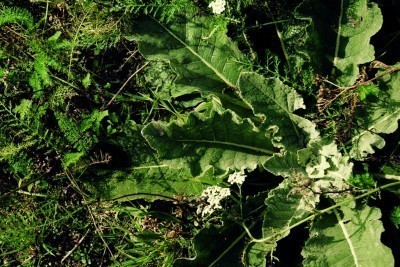
Weeds aren't just invaders—they're soil diagnosticians. Each species thrives in specific conditions, revealing nutrient deficits, compaction, pH imbalances, or drainage issues. Reading these signals lets you fix the underlying problem instead of just spraying.
Yarrow, ragweed, dandelion, thistle, crabgrass, plantain, clover, mullein, sorrel, Queen Anne's lace.
Spotted spurge, knotweed, moss, bindweed, sedge, bluegrass, chickweed, goosegrass, ground ivy, speedwell, violet.
Foxtail, chickweed, chicory, horehound, lambsquarter, mallow, plantain, thistle.
Mustard weed, carpetweed, Russian thistle, yarrow, speedwell.
Hawkweed, sorrel, moss, plantain.
Chicory, Queen Anne's lace, spotted spurge, chickweed.
Horsenettle, pennycress, mouse-ear chickweed, morning glory, quackgrass, plantain, Bermuda grass, knotweed.
Clover, for example, signals low nitrogen—apply a high-nitrogen fertilizer. Moss suggests acidity and poor drainage—lime and aerate. Treat the cause, not just the symptom, for a healthier lawn long-term.
Buying Bulk Soil for a Vegetable Garden: How to Evaluate Topsoil and Choose a Balanced Garden Mix
Quick Clay Soil Improvement for Vegetable Garden
Preparing Arizona Desert Soil for a Vegetable Garden
Identifying Your Soil: Sandy Loam Over Clay Subsoil
Weeds in New Centipede Fill Area: Soil Test First
Sugar for Weed Control in Flower Beds: Worth a Try, But Hoe Works Better
Starting Organic Weed Control in Texas: Timing & Ant Concerns
Organic Centipedegrass Care: Sugar, Weeds, and Ecosystem Management
Weed Prevention and Soil Preparation for Flower Beds
Potting Soil vs. Garden Soil for Containers: What's the Real Difference?
Revitalizing Your Vegetable Garden: Soil Preparation for a Fresh Start
Copyright © www.100flowers.win Botanic Garden All Rights Reserved