


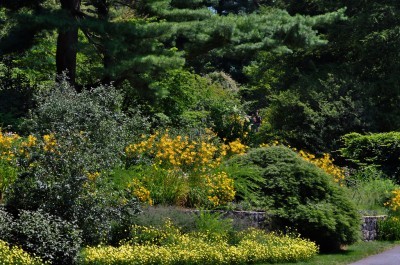
Watering sloped gardens presents a unique challenge: runoff carries water away before it penetrates the soil. Effective hillside irrigation requires slow, deep watering that minimizes erosion and maximizes root-zone moisture.
Drip irrigation and soaker hoses are ideal for hillsides. They release water slowly at soil level, allowing deep penetration and reducing runoff and erosion common with overhead sprinklers. These systems deliver moisture directly to root zones where plants need it most.
DIY soaker hose: poke small holes every inch along a garden hose, cap one end, and lay along planting rows. Water seeps gradually into soil rather than running downhill.
Water wells: Dig basins on the downhill side of plants to capture rainfall and irrigation water, allowing slow percolation.
Terracing and contour planting: Create level planting beds following land contours, or build terraced beds with retaining walls. Both slow water movement and increase absorption.
Raised beds: Elevated beds on slopes improve drainage control and make irrigation more efficient.
Match your irrigation approach to slope steepness—steeper grades need slower application rates and more erosion control measures.
Pro Garden Tips: Soil, Seeds, and Smart Strategies for Better Results
Budget-Friendly Garden Landscaping: Planning, Design, and Maintenance Tips
10 Safety and Maintenance Tips for Garden Tools
Mastering Container Garden Watering Techniques
How to Select the Best Garden Watering Service Provider
Successful Organic Gardening: From Soil Prep to Harvest
Vegetable Garden Tips: Reduce Work, Increase Enjoyment
Tips for a Thriving Organic Garden
Top Tips for a Thriving Organic Garden: Expert Strategies
Halloween Garden Décor: Themed Ideas for a Festive, Not Frightening, Display
Vinegar in the Garden: What Works, What Doesn't, and Surprising Uses
Copyright © www.100flowers.win Botanic Garden All Rights Reserved