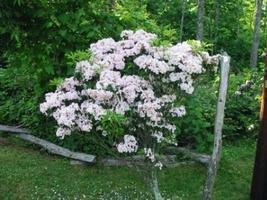




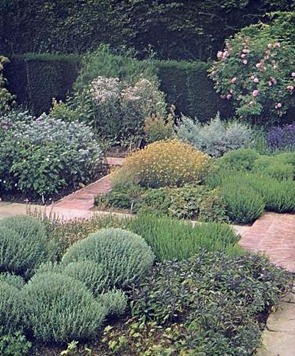

In spring, woodland gardens like this one in Woodinville, Washington, are irresistible. Epimediums and forget-me-not flowers crowd the forest floor; daffodils form yellow clumps where sunshine reaches them; and cha

How to store and preserve herbs
While they’re still fresh:1. Rinse. Immerse herbs in cool water, shaking gently to dislodge any soil or insects. Discard decayed stalks and leaves. Snip off stems just above a break or a bruise. Gently shake excess
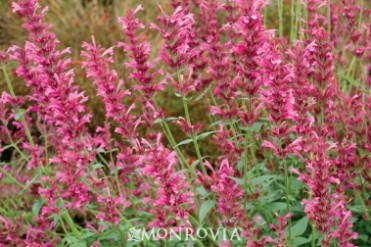
Vigorous, spreading members of the mint family with aromatic foliage. With the exception of catnip (N. cataria), these plants are valuable for their spikes of two-lipped blue or blue-violet (or sometimes pink, white
These are tough, colorful perennials from central and eastern North America. Daisylike flowers, usually with narrow, arching rays, have brownish orange, dome-shaped centers and are held on straight stems above clump
Coreopsis hybrid ‘Limerock Ruby’
Easy-to-grow members of the sunflower family yielding a profusion of yellow, orange, maroon, or reddish flowers. Deadhead for longer bloom; use hedge shears to remove large numbers of spent blooms. Both annual and p
Native to southern Europe. Some peas are for shelling, some have edible pods, and others can be eaten either way. If you have space and don’t mind the extra step of building some kind of support, grow tall (vining)
Most beans are frost-sensitive heat lovers, easy to grow from seed. With all, moisten soil thoroughly before planting, then do not water again until seedlings have emerged. Once growth starts, keep soil moist. Fert
Summer squash is planted for warm-weather harvest and eaten when immature; this group includes scalloped white squash (pattypan squash), yellow crookneck and straightneck varieties, and cylindrical, green or gray zu
Mostly groundcover-scale succulents that grow nicely in the spaces between rocks (thus “stonecrop”), sedums are native to many parts of the world. Some are quite hardy to cold, others fairly tender; some are tiny an
Beloved for late summer and fall bloom,Chrysanthemum once included around 160 species, but taxonomists have moved the vast majority to other genera. Chrysanthemums bred for the cut-flower industry, for forcing in p
Native to tropics or warm regions, notably Australia, Mexico, and the southwestern U.S. Of the many species tested over the past 150 years, more than two dozen serve beautifully and functionally in Western landscape
Native to Texas and Louisiana. Airy growth to 2 1/2–4 ft. high, 2–3 ft. wide. Leaves are 1 1/2–3 1/2 in. long and stalkless, growing directly from stems. Branching flower spikes bear many closely set, 1-in.-long whi
Myosotis sylvatica (Forget-Me-Not)
Both of the forget-me-not species described feature profuse, typically blue springtime flowers, tiny but exquisite. They grow easily and densely as groundcovers; do best in cool, moist areas, as in woodland gardens,
Maples are a varied group. They may be large and midsize shade trees; smaller trees; and dainty, picturesque shrub-trees. Leaves range from simple ovals to deeply lobed and finely dissected shapes. One element commo
Mediterranean natives. Erect stems are set with widely spaced whorls of hooded, two-lipped flowers in yellow, purple, or lilac. Moisture-conserving thick, typically furry or hairy leaves are lance shaped to oval, se
Graceful, arching branches densely clothed with oval, usually glossy leaves 1/2–1 1/2 inches long; bronzy new growth. Tubular or bell-shaped flowers in clusters at ends of branches or among leaves. Though small, blo
A short browse through a seed catalog, seed display rack, or selection of nursery seedlings will reveal enough variety to keep your salad bowl crisp and colorful throughout the growing season. There are four princi
The tomato is an Andean native. Easy to grow and prolific, tomatoes are just about the most widely grown of all garden plants, edible or otherwise. Amateur and commercial growers have varying ideas about how best to
These fall into two horticultural classes, which might be called “deciduous” and “evergreen.” Both produce masses of color in borders, bearing clustered flowers at the tops of leafy stems. The flowers, brightly colo
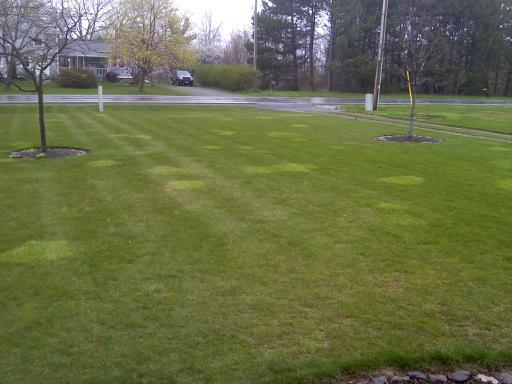
Grass TypesLawn grasses fall into two general categories: cool-season and warm-season. Each group comprises a wide variety of grasses. Water and fertilizer needs differ between the two groups, and susceptibility to
Copyright © www.100flowers.win Botanic Garden All Rights Reserved