


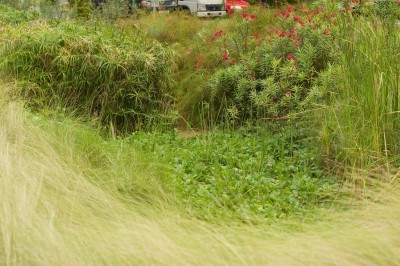
A rain garden is a shallow, planted depression that captures runoff, filters pollutants, and recharges groundwater—while adding beauty and habitat to your yard. Proper placement and construction ensure effectiveness and longevity.
Choose native species adapted to periodic flooding and drought. Sample list:
Plant in zones: wettest-tolerant in center, drier-tolerant at edges. A well-designed rain garden manages stormwater beautifully.
Finding Native vs. Introduced Plant Ratios for Your Region
Designing a South-Facing Covered Patio Container Garden
Protecting Your Garden from Hail: Preparation and Recovery
Herbs: What to Grow and Where to Plant Them
Plants for the House & Garden: Bridging Indoors & Outdoors for Year-Round Enjoyment
Garden Planters & Containers: Design, Planting & Care for Year-Round Impact
Planting and Growing Native Plants: Balancing Vigor and Control
Insects and Your Garden: The Vital Partnership of Pollination
What Is Mulch & Why Your Garden Needs It: Types, Benefits & How to Apply
Miniature Dish Garden Care: Light, Water, Fertilizer & Long-Term Health
Plant a Garden, Boost Your Health: The Science-Backed Benefits of Growing Your Own
Design a Low-Maintenance Perennial Garden That Gets Better Every Year
Perennial Plants: Long-Lived Garden Staples
Plants for Morning Shade and Afternoon Sun: Best Perennials for Partial Light
Copyright © www.100flowers.win Botanic Garden All Rights Reserved