

Mossy Terra Cotta Pots: Natural Aging vs. Yogurt Myth
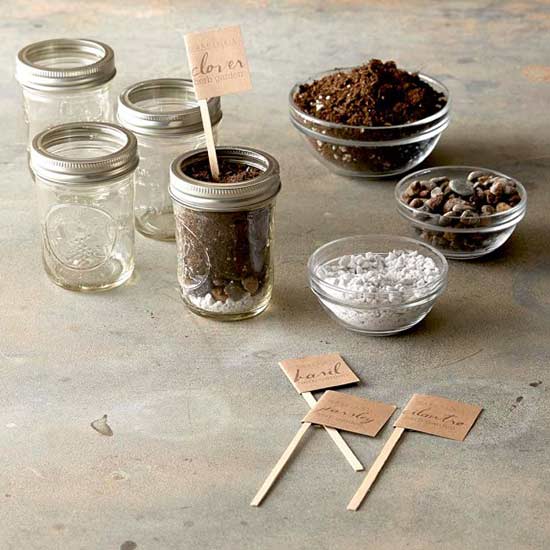
Moss grows naturally on terra cotta kept constantly moist in warm shade—covering pots in ~1 year. Yogurt method is anecdotal; no reliable protocol exists. Patience and moisture yield authentic patina. Natural Method Ke

Confirming Phalaenopsis ID: Floral Arrangement Photo Misleads
The linked photo was a floral arrangement using a Cymbidium flower—not the users plant. Broad basal leaves and flower description match Phalaenopsis (moth orchid), the most common retail orchid. Why the Confusion Floral
Identifying Orchid from Photos: Cymbidium vs. Phalaenopsis Confusion
Two linked photos showed different genera: first a Cymbidium (long grassy leaves, pseudobulbs, large plant), second a Phalaenopsis (broad basal leaves, arching spike). The users plant—broad leaves at base, single spike—m
Orchid Flower Spike After Bloom: Cut or Keep Based on Type
Whether to cut a spent flower spike depends on genus. Some stay green and rebloom (e.g., Phalaenopsis); others brown and should be removed at the base. Watch the spike: if it browns, cut it off. General Rule Green, fir
Crinkled Oncidium Leaves: Chronic Underwatering and Cultural Fixes
sphagnum moss. Light green leaves = correct light. Watering Technique Lift pot: light = water tomorrow; heavy = wait. Never bone-dry; never soggy. Wrinkled leaves stay crinkled—prevent on new growth. Light and Temper
Phalaenopsis Post-Bloom Regrowth: Spike Branching, Patience, and Companion Species
Three Phalaenopsis repotted after August bloom. Two show spike branching at 3 inches; the third is silent. Normal variation—wait. If spike browns, cut above next node. Most orchids are easy with right conditions; try Pap
Warm-Growing Dendrobium Keikis: Light Deficiency, Rest Period, and Repotting
A Phalaenopsis-type dendrobium producing keikis on upper canes lacks sufficient light. Move to south/west window. Stop water/fertilizer during winter rest; resume when basal growth appears in spring. Keiki Management K
Removing Mineral Deposits from Orchid Leaves: Citrus, Milk, and Prevention
Hard water leaves crusty mineral deposits on leaves. Remove with citrus juice (lemon, orange, grapefruit—no pulp) or low-fat milk. Wipe gently base-to-tip with soaked cloth; Q-tip for leaf axils. Repeat if stubborn—no pr
Charcoal in Orchid Mix: Purpose, Composition, and Environmental Concerns
Charcoal (carbon from burned wood) is used in orchid mixes because its inert, promotes air flow, and may absorb metabolic toxins from decaying organic matter. However, its not essential—many growers omit it due to rainfo
Cymbidium Collapse: Rot from Potting Soil, Saving Firm Pseudobulbs
A cymbidium lost all leaves; pseudobulbs remain. Potting soil (not bark) in a slotted pot likely held too much water, drowning roots. Rotten roots = no water uptake = leaf loss. Diagnosis Potting soil retains water → l
Bamboo Orchids (Bletia striata) and Vanda Basics for Georgia Growers
Bamboo orchids (Bletia striata) are terrestrial, deciduous, and easy: garden soil, slightly moist, balanced fertilizer during growth, dry rest when leaves fall. Repot every 2 years in fresh soil when dormant. Bamboo Orc
Phalaenopsis Bud Drop After Purchase: Ethylene, Temperature Shock, and Heater Gases
Buds yellow and fall within 3–4 days of bringing Phalaenopsis home. Common causes: ethylene from ripening fruit, unvented heater fumes, or temperature shock during transport. Top Culprits Fruit nearby:10 ft from fruit.
Broken Phalaenopsis Spike: Salvage Options and Secondary Spike Hope
A 7-inch spike snapped in half. The broken top wont reattach; it will brown. However, the lower portion may produce a side spike from a node (bump with tiny leaf). Immediate Steps If buds on broken piece were swelling,
Phalaenopsis Bud Abortion: Normal Thinning or Root Distress Signal?
One of three buds yellowed on a first-time bloomer. Two possibilities: natural thinning (plant cant support all buds) or root loss weakening the plant. Natural vs. Problematic Abortion Natural: Healthy plant sheds exce
Phalaenopsis Post-Bloom: Cut Spike or Keep for Secondary Flowers?
After flowers fall, the spikes fate depends on plant maturity. Fewer than 4 mature leaves? Cut low. Four or more? Keep and watch for secondary spike from a node. Decision Tree <4 mature leaves: Cut spike near base. Pla
Buying a Gift Orchid in England: Finding Nurseries via AOS
A UK buyer (£5 budget) seeks an unusual orchid for an experienced grower father. The American Orchid Society (AOS) website lists member nurseries in England—best starting point. Finding a Nursery Visit theaos.org → nur
Moving Orchids Outdoors in New Jersey: Timing, Acclimation, and Feeding
Post-frost NJ is a good time to move orchids outside—but only if night temps suit the specific genera. Gradual light acclimation over 3–4 weeks prevents sunburn. Genus-Specific Minimums Phalaenopsis: 60°F nights. Cattl
Moving a Mystery Orchid Outdoors in Michigan: Phalaenopsis vs. Vanda Identification
A Hawaii-sourced orchid with three dark green leaves, air roots, and slow growth in bark/peat mix may be Phalaenopsis (round leaves) or Vanda (pointed leaves). Identification dictates outdoor placement. Differentiation
Unidentified Orchid: General Care When ID Fails
Despite detailed description (air roots, bark media, 18-inch knife-like leaves, fragrant pale yellow-green star-shaped flowers with brown spots), the orchid couldnt be identified. General care guidelines bridge the gap.
Phalaenopsis Spike vs. Leaves: Resource Allocation in a Recovering Plant
A Phalaenopsis with only three wrinkled leaves produced a spike while still regrowing roots. The spike drains critical resources; leaves—even damaged ones—store water and nutrients essential for survival. Critical Decis
Copyright © www.100flowers.win Botanic Garden All Rights Reserved