


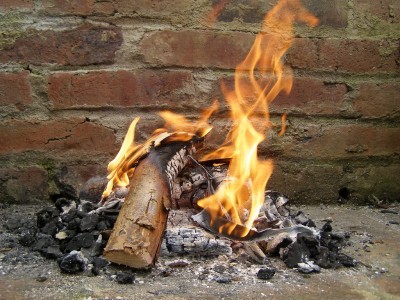
Wood ash from fireplaces, wood stoves, and fire pits is a free, alkaline amendment that can benefit compost and garden soil—if used correctly. It supplies calcium (lime), potassium, and trace minerals while neutralizing acidity. But not all ash is safe, and overapplication causes problems. Here's the complete guide.
Adding ash to the compost pile—not directly to soil—is the safest approach:
Only apply directly if a soil test confirms low pH (<6.0) AND low potassium. Guidelines:
Dry wood ash dusted around plants deters slugs, snails, and some soft-bodied insects. The abrasive, desiccating action works like diatomaceous earth. Reapply after rain.
Wood ash is a valuable, free resource when sourced cleanly and used moderately. Composting it first buffers its extremes and creates a balanced, mineral-rich amendment your garden will love.
Driveway Paving Options: Materials, Thickness, and Maintenance
Composting Human Waste: Why It's Risky for Home Gardens
Composting Sawdust: Safe Wood Types, Chemical Concerns & Carbon Management
Trench Composting: The Simple, No-Turn Method for Garden Fertility
Composting Human Waste: Safety, Regulations, and the Humanure Debate
Using Sawdust in Your Compost Pile: A Woodworker's Garden Gold
What Is Actinomycetes? The Beneficial Bacteria in Your Compost
Using Wood Ash in Vegetable Gardens
Best Plants for Windowless Rooms: Thriving in Artificial Light
Common Lawn Fungus Diseases: Leaf Spot, Melting Out & Necrotic Ring Spot
Build Your Own Compost Turning Unit: Barrel & 3-Bin Systems
Composting Dryer Lint: A Simple Carbon Boost for Your Pile
Compost Turning Systems: Barrel Tumblers and Multi-Bin Designs
Copyright © www.100flowers.win Botanic Garden All Rights Reserved