


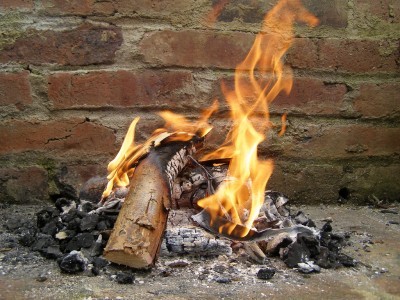
Is ash good for compost? Yes. Ashes lack nitrogen and won't burn plants, making them useful in gardens—especially compost piles. Wood ash provides lime, potassium, and trace elements.
Composting ashes is an ideal use. Fireplace ashes maintain neutral compost conditions and add nutrients. Decomposing materials can become acidic; wood ash's alkalinity offsets this.
Avoid charcoal ashes (grill briquettes)—they contain chemical additives harmful to plants, especially in large amounts. Stick with untreated, unpainted wood ash.
Ashes raise soil pH, so don't apply directly to acid-loving plants (rhododendrons, azaleas, blueberries). High amounts can restrict nutrients like iron, inhibiting growth. Only apply directly if soil test shows low pH or low potassium. Adding wood ash to compost instead lessens risks and creates balanced fertilizer safe for soil application.
Bonus: Wood ash compost around plants may repel slugs and snails.
Composting ashes enriches garden soil while providing eco-friendly fireplace/campfire ash disposal.
Driveway Paving Options: Materials, Thickness, and Maintenance
Composting Human Waste: Why It's Risky for Home Gardens
Composting Sawdust: Safe Wood Types, Chemical Concerns & Carbon Management
Trench Composting: The Simple, No-Turn Method for Garden Fertility
Composting Human Waste: Safety, Regulations, and the Humanure Debate
Using Sawdust in Your Compost Pile: A Woodworker's Garden Gold
What Is Actinomycetes? The Beneficial Bacteria in Your Compost
Using Wood Ash in Vegetable Gardens
Best Plants for Windowless Rooms: Thriving in Artificial Light
Common Lawn Fungus Diseases: Leaf Spot, Melting Out & Necrotic Ring Spot
Build Your Own Compost Turning Unit: Barrel & 3-Bin Systems
Composting Dryer Lint: A Simple Carbon Boost for Your Pile
Compost Turning Systems: Barrel Tumblers and Multi-Bin Designs
Copyright © www.100flowers.win Botanic Garden All Rights Reserved