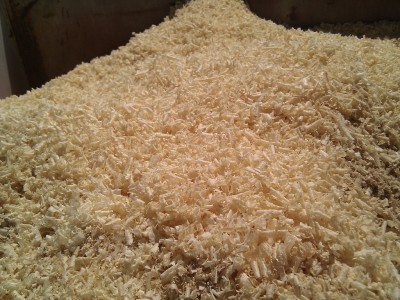
Sawdust is a woodworker's byproduct and a compost goldmine—high carbon, absorbent, free. But not all sawdust is equal. Treated lumber, walnut toxicity, and nitrogen lockup are real concerns. Here's how to compost sawdust safely and effectively.
Why Sawdust Belongs in Compost
- Superior brown: C:N ~200–500:1. Pure carbon structure.
- Moisture buffer: Absorbs excess liquid from greens, prevents leachate.
- Aeration: Fine particles create micro-pores for oxygen diffusion.
- Free & abundant: Every woodworking project generates it.
✅ Safe Sawdust Sources
- All untreated hardwoods & softwoods: pine, oak, maple, cedar, fir, poplar, etc.
- Plywood, OSB, particleboard if formaldehyde-free (newer CARB2/ULEF certified).
- Sanding dust from raw wood.
- Planer shavings (larger particles = better aeration).
⚠️ Caution Required
- Walnut (Juglans spp.): Contains juglone, toxic to many plants (tomatoes, potatoes, peppers, azaleas). Compost separately 12+ months until juglone degrades. Test with tomato seedling bioassay before garden use.
- Old pressure-treated (pre-2004 CCA): Arsenic, chromium, copper. Never compost. Hazardous waste.
- New pressure-treated (ACQ, CA, MCQ): Copper-based. Low leaching but avoid in food gardens. Compost only for ornamentals.
- Painted/stained/varnished wood: Lead, VOCs, biocides. Avoid.
- MDF/particleboard (older): Urea formaldehyde resins. Off-gas ammonia. Avoid.
How to Compost Sawdust
- Mix ratio: 1 part sawdust : 3–4 parts greens (by volume). Sawdust is carbon-dense.
- Moisten thoroughly. Dry sawdust is hydrophobic. Soak before adding.
- Layer thinly. 1–2 inches max per layer. Thick layers mat and exclude air.
- Turn frequently. Every 3–5 days first 2 weeks. Prevents anaerobic pockets.
- Add nitrogen booster if pile stalls: blood meal, manure, grass clippings, urine.
Managing Nitrogen Lockup
Microbes need nitrogen to digest sawdust's carbon. They'll steal it from your greens—and your soil if applied unfinished. Solutions:
- Pre-compost sawdust with high-nitrogen materials (manure, grass) 3–6 months before garden use.
- Add extra greens to any pile with sawdust.
- Test finished compost: Germinate cress/radish seeds. Slow growth = nitrogen drawdown = cure longer.
Leaching Chemicals from Questionable Sawdust
If you must compost sawdust from treated/painted sources (not recommended for food gardens):
- Build dedicated pile away from food gardens, waterways.
- Keep very moist (leaching requires water movement).
- Turn weekly for 6–12 months.
- Test leachate or bioassay before any use.
- Restrict use to non-food, non-play areas.
Alternative Uses for Sawdust
- Mulch: 1–2 inches on paths, around perennials (not touching stems).
- Animal bedding: Chickens, horses, worms. Compost soiled bedding.
- Spill absorbent: Oil, coolant, paint. Dispose properly after.
- Fire starters: Mix with wax in egg cartons.
- Mushroom substrate: Pasteurized hardwood sawdust = gourmet mushroom medium.
Sawdust is a premier compost carbon source—when sourced cleanly and managed for nitrogen balance. Keep a bin by your shop; every project feeds your garden.


