


Brandon: light whitish-tan spots on virtually every plant (even weeds) in garden. Asks: soil deficiency, excess fertilizer, or disease?
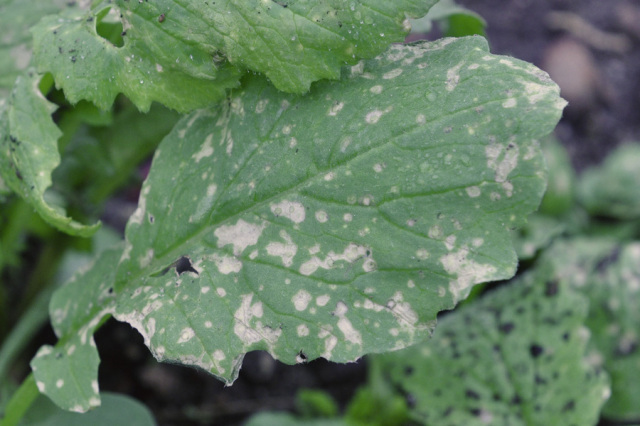
Steve: unrelated plants with same symptoms = not infectious disease or insect. Spot distribution suggests contact injury. Check chemicals sprayed nearby past 1-2 weeks: herbicide drift on windy day. Plants likely recover depending on dose.
Brandon: surrounded by fields, overspray likely. Asks if fertilizer contact could cause similar coloration.
Steve: yes, if mixed wrong causing injury. Contaminated sprayers (weed killer residue) common cause. Best practice: never use same sprayer for herbicides and other products. Check field plants for similar spots.
Universal symptoms across diverse species = abiotic/environmental cause. Herbicide drift and sprayer contamination are top suspects. Pattern recognition prevents misdiagnosis as disease.
Debugging Potted Plants Before Bringing Indoors
Tomato Seedling Cold Tolerance and Fertilization Strategy
Mandevilla Propagation: Tip Cuttings in Spring
Phlox Bloom Failure: Nitrogen and Shade Issues
Low‑Water Plants for Outdoor Pots in Atlanta
Moon Vine vs. Moon Flower (Datura): Identification and Toxicity
Can a Neglected Hydrangea Be Saved? Assessing Winter Damage in Australia
Managing Rhubarb Flower Stalks (Pods)
Crepe Myrtle Seedlings: Expect Variation from Hybrids
Troubleshooting Curling Leaves on Brugmansia Seedlings
Tomato Fruit Set in Extreme Heat: Why Green Tomatoes Persist
Flowers Against a Slab Foundation: No Root Risk, Manage Water
Underwatered Jades and Crassula 'Ivory Pagoda': Correcting the Schedule
Copyright © www.100flowers.win Botanic Garden All Rights Reserved