


Encouraging Asian Jasmine Spread for Ground Cover
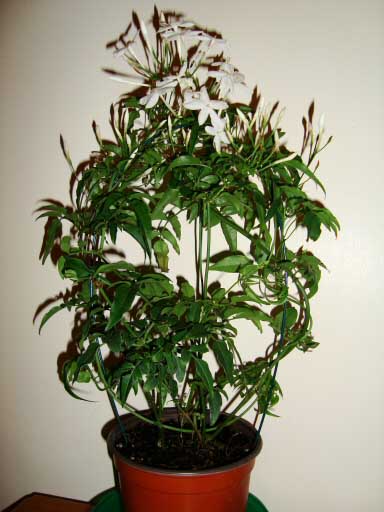
Quick Establishment Technique Newly planted Asian jasmine looks sparse next to established plants. The respondent advises stringing out the vines and covering them with soil (leaves exposed). This prompts rooting at leaf

Yellow Slime Mold in Mulch: Organic Treatment
Identifying the Fungus A yellow slimy substance in mulched flower beds dries to brown/tan clumps. It appears in sun and shade. The respondent identifies it as a fungus (likely slime mold) and recommends horticultural cor
Overseeding Fescue with Bermuda in North Carolina
Transition Strategy A Fuquay-Varina, NC homeowner’s fescue is being overtaken by wild Bermuda. A landscaper advised overseeding with Bermuda seed now, sodding front next spring. Steps: mow low, loosen bare spots, add top
Establishing a Lawn on a Former Gravel Driveway
Breaking Up Hardpan A 15x40 ft front yard was a gravel circle drive; soil is hard and rocky. Digging planting holes is exhausting. The respondent recommends hiring a small backhoe to break up hardpan and gravel at least
Bermuda Grass Brown Spots: Watering Depth and Fungus
Watering by Depth, Not Minutes South Carolina Bermuda grass watered 75 minutes weekly at 3 AM shows small brown circles with dust-like spores in morning dew. The respondent says 75 minutes means nothing—water must penetr
Keeping Neighbor Dogs Off the Lawn
Practical Deterrents Neighbors’ large dogs roam at night and defecate on an unfenced 1.6-acre front lawn. The respondent suggests: Anonymous return of waste to offenders’ doorsteps (worked in their neighborhood). Motion
Yellow Lawn After Weed-and-Feed: Chemical Burn Recovery
Chemicals Cause the Problem A homeowner applied Scotts Weed and Feed and now has patchy yellow grass. The respondent states this is classic chemical burn—slightly too much product or wrong timing kills grass. Organics ne
Centipede Grass in Full Sun: Maintenance and Disease
Centipede Preferences Centipede is a low-maintenance grass for hot climates but needs specific care: mow 0.5–1.5 inches (2 inches in summer), dethatch if needed, water 1–2 inches weekly, fertilize lightly (0.5–1 lb N/1,0
Dog Urine Spots: Deterrents and Neighborly Solutions
Signage and Technology Dog walkers let pets relieve themselves on the sidewalk strip. A polite, specific sign (“Message to the lady with the black poodle: Please pick up the poop…”) appeals to conscience. Chemical repell
Resodding Over Tree Roots: Newspaper Myth and Better Solutions
Newspaper as Mulch, Not Root Barrier A homeowner with surface tree roots asks if laying newspaper under new sod works. Newspaper (6+ layers, no colored/glossy ink) works as weed-blocking mulch under bark, but does nothin
Chickweed Invasion: Herbicide Damage vs. Organic Solution
Did Weedkiller Kill the Grass? A Louisiana homeowner sprayed chickweed in centipede and St. Augustine lawns, leaving bald spots. The respondent suspects the herbicide—not the shallow-rooted chickweed—killed the grass. Ce
Converting Bahia Pasture to Centipede Lawn in Mississippi
Three-Step Process A new home on former Bahia (Byhalia) grass pasture wants centipede grass. Bahia has seeded for years, so eradication takes time. Steps: Eradicate Bahia: Herbicides like Cimarron, Roundup Ultra, or Pla
Re-establishing a Lawn on Clay Soil and Compost Grubs
Soil Amendment for Hard Clay An Illinois homeowner with rich but hard clay soil asks about amendments before reseeding or sodding. Topsoil alone is insufficient. The respondent recommends tilling 4–6 inches of cedar bark
Organic Control of Nutsedge in the Lawn
Nutsedge Disappears with Soil Health A homeowner pursuing a chemical-free lawn struggles with nutsedge. The respondent explains that nutsedge, like all weeds, thrives in poor soil. A totally organic program (no chemicals
New Sod Dying: Soil Preparation and Organic Rescue
Why Sod Fails on Clay New sod in a townhouse complex turns pale straw at edges. The prior year’s sod failed similarly; extra dirt was added and re-sodded. The respondent identifies hard clay under a thin topsoil layer as
Sugar for Sweeter Grapefruit? The Organic Soil Connection
Does Sugar Sweeten Fruit? A gardener heard sprinkling sugar under a grapefruit tree makes fruit sweeter. The respondent, once skeptical, now uses sugar exclusively on their lawn for 10+ years. While some grapefruit varie
Diagnosing Blackening Grass: Powdery Mildew or Smut
Symptoms and Causes White/grey patches with tiny white bumps turning black suggest powdery mildew or smut on cool-season turf (bluegrass, rye, fescue). Both are triggered by heavy water/rain, fertilization, and cool temp
Organic Lawn Program for Weed-Free Turf
A Decade of Organic Success The respondent shares their 10-year organic regimen that yields a near-perfect lawn with 90% less work and cost. The core principle: chemicals kill beneficial soil life; organics feed it. Prog
Quackgrass: Identification and Organic Management
What Is Quackgrass? Quackgrass (Elytrigia repens) is an aggressive perennial weed with steel-like rhizomes. It spreads ubiquitously, earns a spot on Michigan’s top-5 weed list, and is nicknamed “witchgrass.” Rototilling
Mowing New Grass and Repairing Bare Spots in Maryland
When to Mow a New Lawn Six weeks after seeding, grass is 4–5 inches tall but some 2x2 ft patches remain bare or sparse. The respondent advises mowing now—remove only 1 inch at a time, targeting a 3-inch height. Mowing st
Copyright © www.100flowers.win Botanic Garden All Rights Reserved