


A gardener moved a vine to a trellis thinking it was a wild grape. It blossomed but never fruited, grew rampantly, and had tendrils. They cut it back to two main branches annually.
Grape?
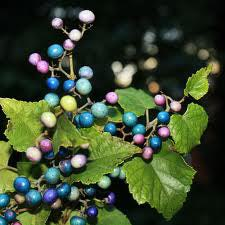
Ampelopsis
The photo was blurry, but it could be a wild grape (Vitis sp.) or porcelain berry (Ampelopsis). The expert noted that grapes fruit on second-year wood, so annual cutting prevents fruiting. They requested a clearer photo and location.
The gardener sent better photos and revealed they live in central Florida, just south of Disney.
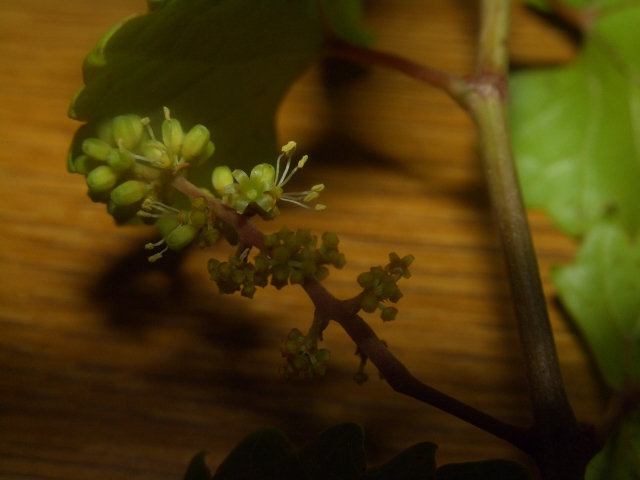
The flower
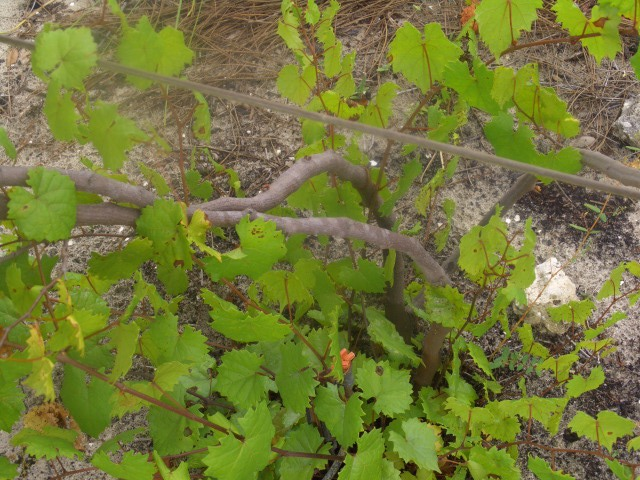
Grape?
The vine is Vitis rotundifolia (muscadine). Unlike other grapes, some muscadines require insect pollination. Lack of fruit could be due to pesticides, competing nectar sources, weather, or the plant being dioecious (separate male and female plants). The expert included a photo of male, female, and perfect flowers for comparison.
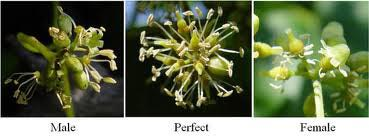
Muscadine flowers
Wild Red Currants in the Berkshires: Native or Escaped?
Wild Florida Sundew ID: Drosera capillaris (Pink Sundew) and Seed Germination
Wild Lavender Identification and Drying for Sachets
Grafting Fruiting Figs onto Wild Ficus in Tropical Regions: Feasibility and Alternatives
Identifying a Wild Iris in the Black Hills of South Dakota
Growing Grape Vines in Tropical India: Humidity Management and Nutrition
Controlling Wild Wisteria Without Chemicals: Smothering Is the Best Non-Toxic Option
Replacing Wild Grass with Bermuda: Kill First, Then Seed
Wild Thyme Removal: Kill, Then Reseed—Nature Abhors a Vacuum
Dealing with Invasive Wild Bermudagrass (Wiregrass) in a St. Augustine Lawn
Managing Wild Thyme in Pasture: Lime, Spot-Spray, and Ecology
Controlling Wild Garlic in Lawns: Herbicide Timing and Cultural Practices
Grape Ivy (Cissus rhombifolia): Glossy-Leaved Vine for Poles and Baskets
Grape Hyacinths (Muscari): Forcing Fragrant Clusters for Winter Bloom
Copyright © www.100flowers.win Botanic Garden All Rights Reserved