


A homeowner discovered a vigorous tree growing in front of their house. After ordering what they thought was an empress tree for the backyard, they realized it was the same "monster" species. Each fall, they cut the trees down to a bare trunk about three feet from the ground. Come spring, the trees regrow rapidly, reaching 16 to 20 feet by August. The trunks and long leaf stems are hollow and lined with a white, milky substance. The enormous leaves—over 20 inches across—feel leathery, reminiscent of elephant ears.
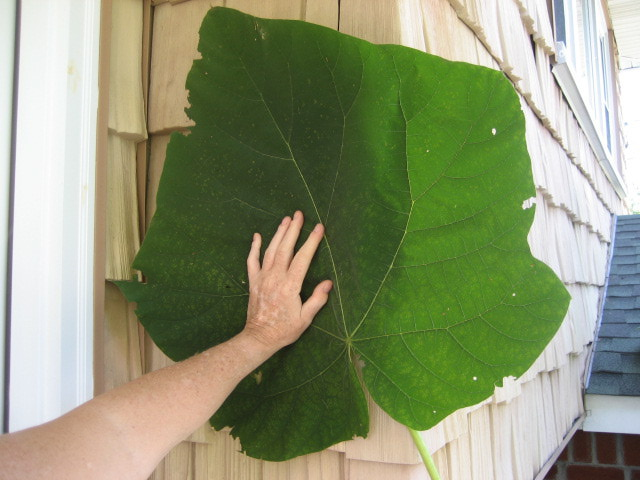
Leaf detail
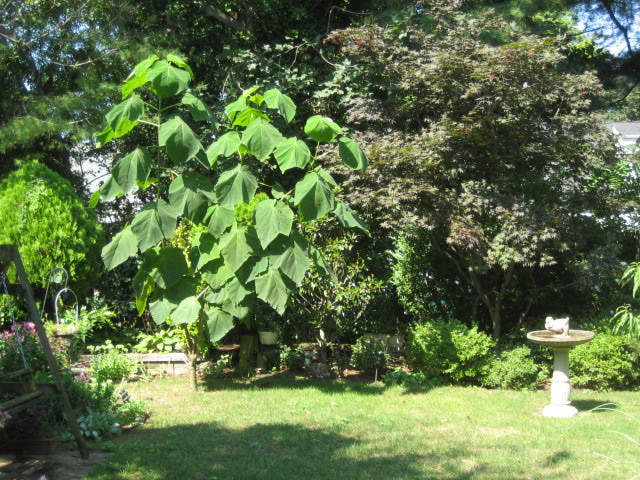
Tree in August 2012
The tree is Paulownia tomentosa, commonly known as the empress tree or princess tree. The annual cutting back is a pruning technique called pollarding, which encourages the tree to produce a massive head of exceptionally large leaves. If allowed to mature naturally, the leaves would be much smaller and the tree might even flower. Paulownia is one of the fastest-growing trees, reaching maturity in about 10 years.
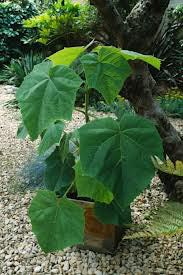
Young tree
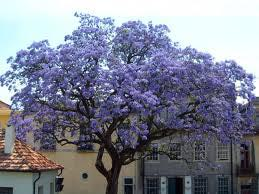
Mature tree
Searching for "Paulownia tomentosa" reveals how dramatically the tree's overall shape and leaf size can vary depending on cultivation practices.
Pruning Young Empress Trees: Managing Suckers for Strong Structure
Tree Leaf Identification Resources for Science Projects and Homeowners
Identifying a Non-Blooming Magnolia as Possibly Fraser Magnolia
Diagnosing Leaf Drop in Ficus Trees
Hibiscus Tree Care: Light, Fertilizer, and Pest Management for Blooms
Reviving a Declining Jasmine Tree: Light, Temperature, and Pruning
Elm Tree with Peeling Bark and Defoliation: Insect Feeding Likely
Lemon Tree Leaf Curl and Yellowing in Madrid: Environmental Stress
Japanese Maple Honeydew and Sooty Mold: Aphid or Scale Infestation
Meyer Lemon Pest Management: Slugs, Aphids, Leaf Curl, and Organic Fruit Safety
Honeybell Orange in Florida: Mulch Removal, Water, and Organic Nutrition
Fruitless Mulberry Leaf Spot: Fall Cleanup Beats Late Spraying
Copyright © www.100flowers.win Botanic Garden All Rights Reserved