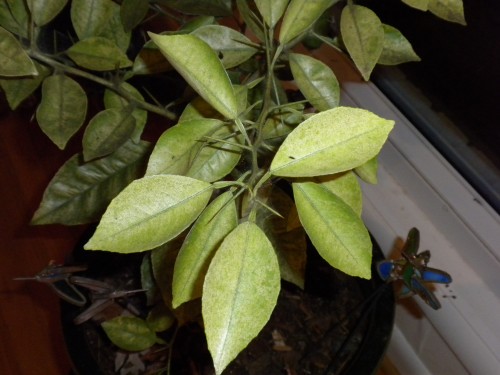

Growing Black Pepper and Cinnamon: Tropical Plants Unsuited for Temperate Gardens
A gardener wanted to grow black pepper and cinnamon as novelties. Both require true tropical conditions and are unlikely to survive outdoors in Georgia. Links to growing guides are provided for those with heated greenhou

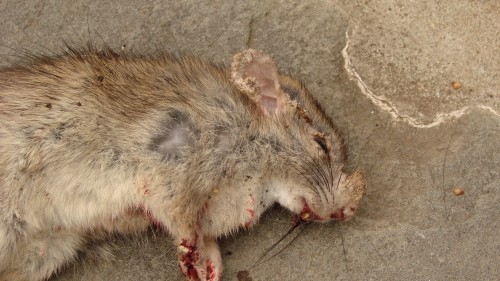
Rat with Crusty Skin: Mange Mites, Not a Plague
A roof rat shot in a woodpile had crusty growths on exposed skin (eyes, nose, feet, tail). The cause: sarcoptic mange mites. Rat mites are species-specific and rarely infect humans, possibly causing a temporary red welt.

Remembering Garden Writer Lee May
Beloved garden columnist Lee May died of cancer on December 3, 2014. A memorial was planned at the Marietta Educational Garden Center. His blog “Lee May’s Gardening Life” and book “In My Father’s Garden” remain as testam
Mangy Fox, Not Chupacabra: Debunking the Myth
A strange, hairless animal was feared to be a chupacabra. Research shows chupacabra sightings are actually mange-ridden coyotes or foxes. The observed animal is a fox with sarcoptic mange—thin, ragged fur and intense itc
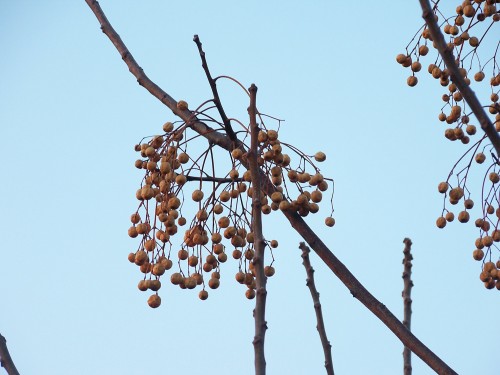
Chinaberry Tree: Weed or Wildlife Resource?
A volunteer tree was identified as chinaberry (Melia azedarach). Most gardeners consider it a weed tree due to aggressive reseeding and brittle branches. However, the hard seeds make excellent slingshot ammunition or, af
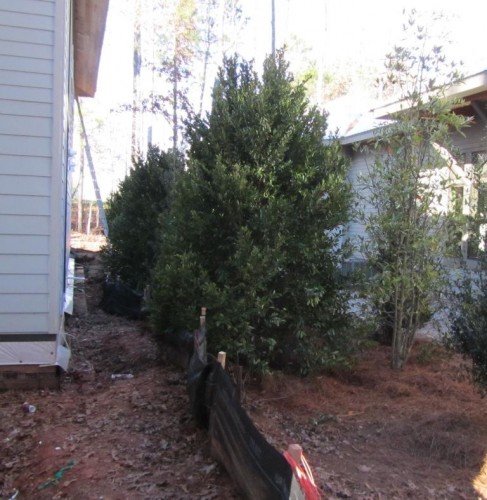
Columnar Trees for Privacy in Shade: Fast-Growing Options
A homeowner needed a shade-tolerant, fast-growing privacy screen for a backyard that sits higher than neighboring homes. Turf expert Ashton Ritchie recommended ‘Bright ’n Tight’ cherrylaurel and sweetbay magnolia. Other
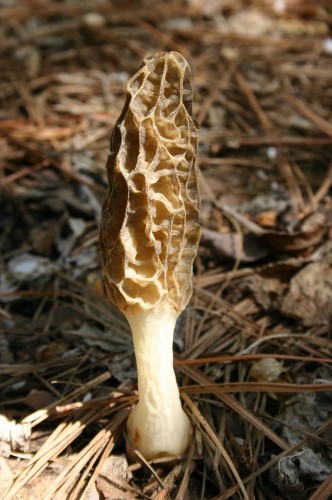
Morel Mushroom Hunting: The Critical Need for Accurate Identification
A family planned to hunt morels with German relatives, but the host worried about confusion with toxic look-alikes. A university guide warns that even biology teachers often cannot confidently identify morel species with
Iron-Based Herbicides: How Chelated Iron Kills Broadleaf Weeds Selectively
Several organic weed killers use chelated iron (FeHEDTA) as the active ingredient. Products like Ortho Elementals, Natria, and Fiesta exploit the different iron-uptake mechanisms of broadleaf weeds (dicots) versus turfgr
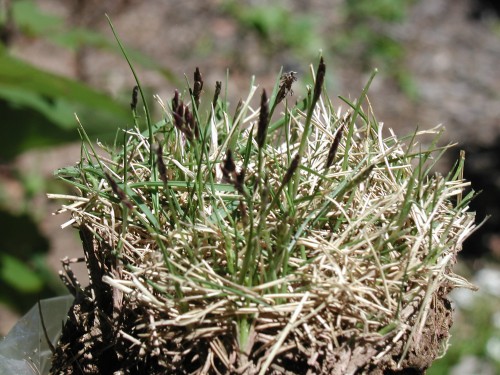
Zoysia Seedheads: Normal Seasonal Occurrence, Not a Problem
An Emerald Zoysia lawn produced seedheads unusually early in April. Zoysia expert Tim Bowyer explains that zoysia naturally sends up seedheads in spring and fall, and stress from a cold winter or dry summer can increase
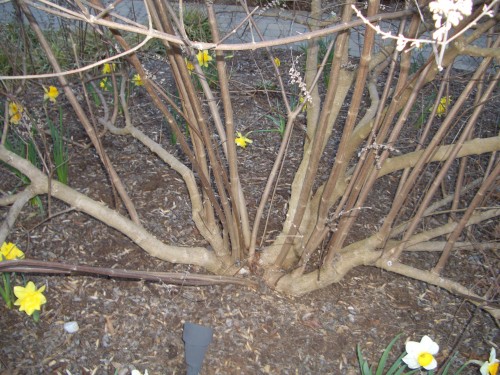
Training a Chaste Tree (Vitex) into a Multi-Trunk Form
Pruning expert Rick Smith outlines a plan for shaping a young chaste tree into a three- to four-trunk specimen like a crape myrtle. Remove the lowest, least desirable trunk at the base. Use the strongest sucker from the
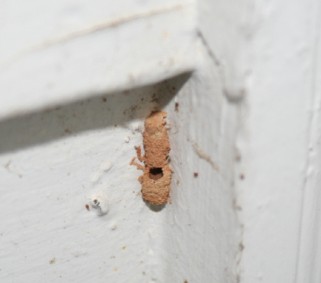
Dirt Dauber Wasps: Beneficial Nest Builders
Mud tubes on a structure were identified as nests of dirt dauber wasps. These solitary wasps are beneficial—they provision their tubes with paralyzed spiders (including black widows) and lay eggs on the prey. If the nest
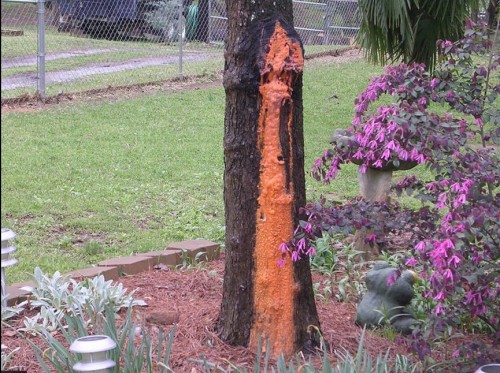
Orange Slime on Dogwood: Yeast Growth on Sap, Not Disease
After a storm-damaged branch was removed and sealed with pruning paint, a dogwood appeared to “bleed” orange goo. The explanation: clear sap is feeding orange-pigmented yeasts (such as Cryptococcus macerans) that store c
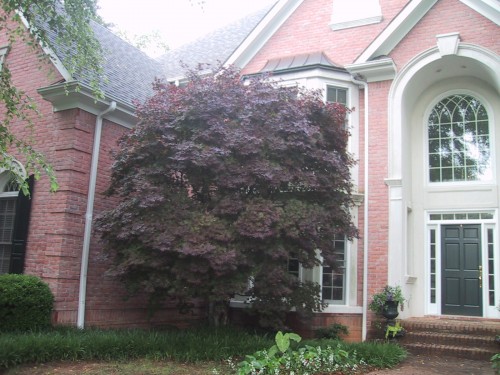
Japanese Maple Pruning: Why Thinning Beats Severe Reduction
A homeowner wanted to reduce a ‘Bloodgood’ Japanese maple by one-third, but an expert refused, recommending thinning instead. The long-term solution for a tree too large for its site is replacement with a dwarf variety.
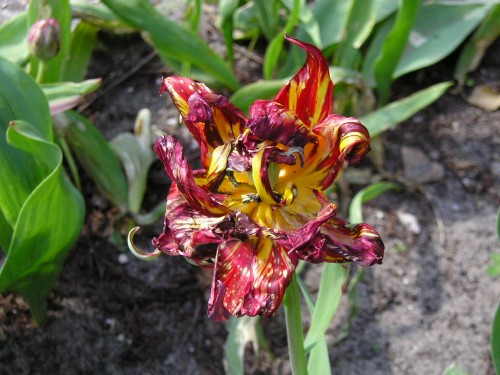
Diagnosing Tulip Problems: Viruses, Botrytis, and Ethylene Damage
Photos of damaged tulips prompted a consultation with Cornell horticulture professor William B. Miller. His analysis: “Tulip disease 1” shows tulip breaking virus (streaked petals) with possible botrytis spots. “Tulip di
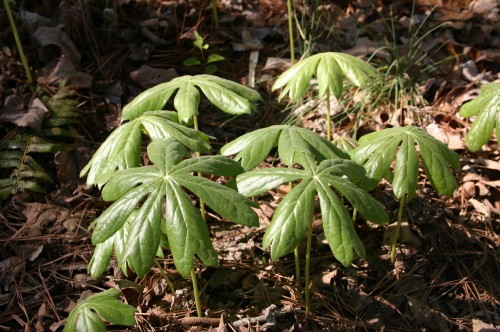
Mayapple Identification: The Charming “Umbrella Plant”
A gardener rescued several plants from a wooded area before construction and has enjoyed their spread for 15 years, calling them “umbrella plants” for their distinctive foliage and hidden spring flowers. The plant is may
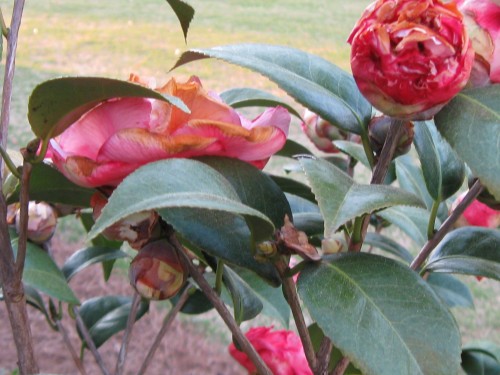
Camellia Trouble: Freeze Damage vs. Petal Blight
A gardener sent photos of a camellia with damaged blooms, wondering if it was petal blight. The diagnosis: cold injury, not disease. Petal blight thrives in mild, humid, rainy conditions during bloom, but the photos were
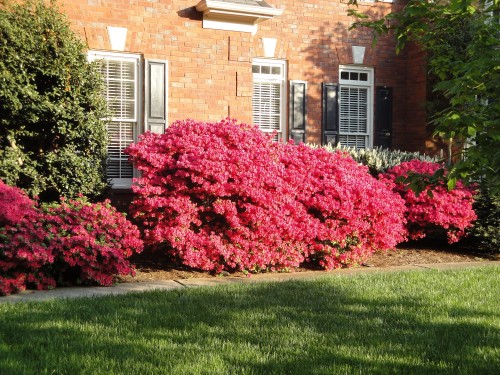
Rejuvenating Overgrown Azaleas: A Two-Step Pruning Plan
When azaleas become massive and dominate the landscape, a gradual approach works best. After the flowers drop in spring, cut the entire shrub back to about four feet. This opens the canopy and stimulates new growth near
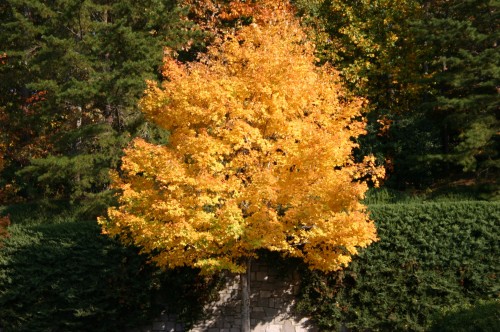
Pruning a Young Maple for Height: Encouraging Upward Growth
A gardener asked whether removing lower branches on a 9- to 11-year-old sugar maple would force the tree to grow taller. Art Morris of Bartlett Tree Experts confirmed the strategy: pruning the lower limbs redirects the t
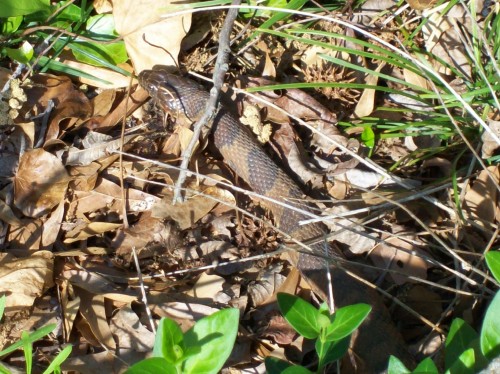
Identifying the Northern Water Snake: A Harmless Creek Resident
A homeowner near Decatur discovered a snake living in the creek behind their house and wanted help identifying it. The snake turned out to be a Northern Water Snake (Nerodia sipedon), a completely harmless species. Accor
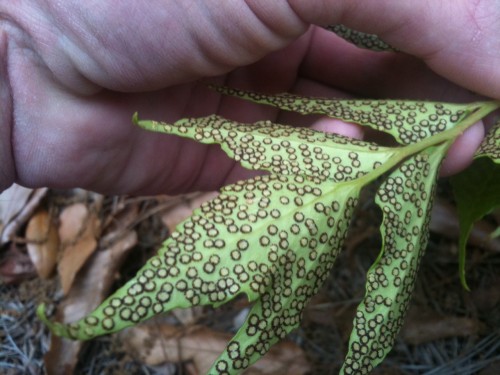
Holly Fern "Spots": They're Actually Spore Cases (Sori)
Brown spots on holly fern leaf undersides? Dont panic—those are sori (spore cases), a sign of a healthy, mature fern! What Are Sori? Structures containing and releasing spores for reproduction. Normal on mature fern fr
Copyright © www.100flowers.win Botanic Garden All Rights Reserved