


Photos of damaged tulips prompted a consultation with Cornell horticulture professor William B. Miller. His analysis: “Tulip disease 1” shows tulip breaking virus (streaked petals) with possible botrytis spots. “Tulip disease 4” appears to be botrytis on an aging flower. “Malformed 1” might be a genetic cultivar trait. “Malformed 3” could indicate ethylene damage, but ethylene injury only occurs before bulbs enter cold storage, as both ethylene production and sensitivity drop at refrigerator temperatures. Overall, only the last sample suggested possible ethylene issues.
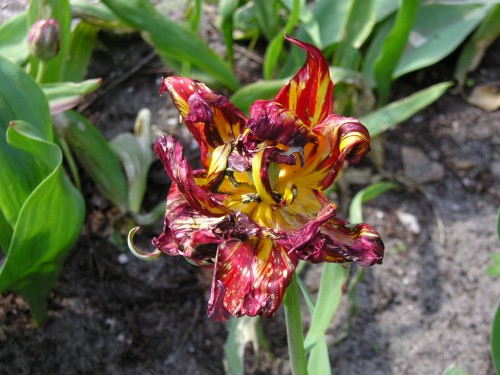
tulip disease 1
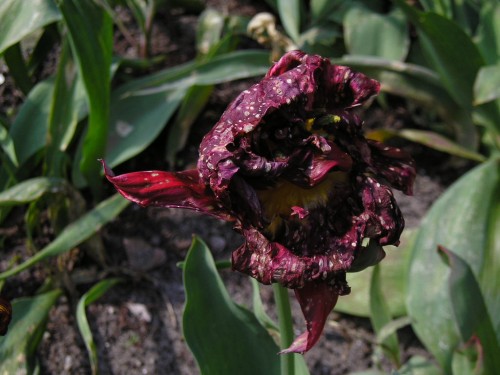
tulip disease 4
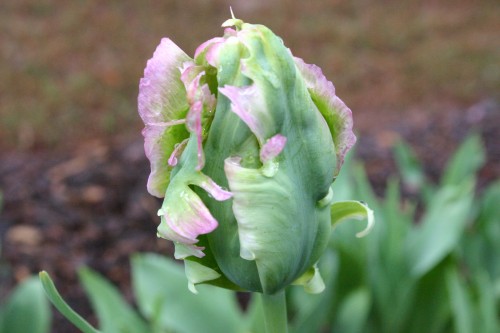
tulip malformed 1
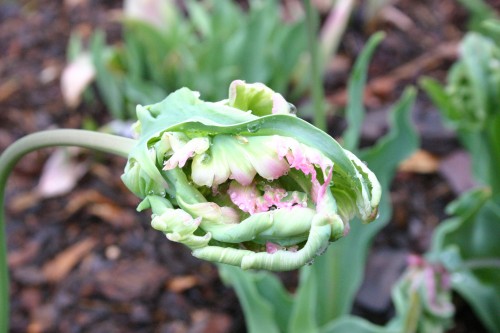
tulip malformed 3
Potted Hydrangea: Soil Insects and Leaf Spot
Tulip Tree Troubles: Sapsucker Damage and Basal Decay
Sugar Maple Lightning Strike and Lichens: Damage Assessment
Garden Mold Prevention: Clean Up Old Plants
Black Tar-Like Substance on Garden Soil: Algae from Compaction and Acidity
Brown Stem with Purple Spots on Phalaenopsis: Scale Infestation
Tulip Tree Branch Dieback: Water and Mulch for Recovery
Diagnosing Walnut Canker in a Declining Tree
What to Do with a Gift Potted Tulip After Blooming
Boxwood Hedge Phytophthora: Subdue Maxx Soil Drench
Tulip Care in a Vase: Leaves, Water, and Longevity
Tulip Meanings by Color: Symbolism, Legends, and Cultural Significance
Dividing Tulip Bulbs: When, Why, and How to Rejuvenate Your Plantings
Copyright © www.100flowers.win Botanic Garden All Rights Reserved