

Fertilizing Mature Leyland Cypress: Once a Year Is Plenty
Mature 60-ft Leylands need little fertilizer. One application of general-purpose landscape fertilizer in April is enough, especially with mulch. Follow label rates. Young trees benefit from April, June, Sept feedings.

Dolomitic Lime: What to Look For on the Bag
Dolomitic lime contains magnesium carbonate/oxide plus calcium carbonate. Most Georgia lime (from Jasper marble) is naturally dolomitic. Check the label for magnesium content—no need for a special dolomite brand.
When to Add Compost to Garden: The "Unrecognizable" Rule
Compost is ready when original ingredients (stems, peels, leaves) are unrecognizable. Spread 1–3 inches on beds and mix 10 inches deep. You need volume to make a difference.
Grass Clippings as Mulch: Safe After Pre-Emergent If Watered In
Pre-emergent herbicides bind to soil after watering. Once irrigated or rained on, clippings are safe for garden mulch. Chemicals dont persist on dry grass blades.
Goldenrain Tree Seed Germination: Fresh Is Best
Goldenrain seeds need fresh planting. Sow shallow, 1 inch apart, in protected spot immediately after fall pod drop. For stored seed: soak overnight in lukewarm water, stratify in damp sphagnum moss in fridge crisper, che
Crabgrass Pre-Emergent Timing: Soil Temperature Is Key
Apply pre-emergent when soil hits 50°F and rising—crabgrass germination trigger. In Atlanta, thats early March, but mid-February is safe. Check local soil temps at georgiaweather.net.
Painted Hive Interior: Bees Will Coat It with Wax
Accidentally painted the inside of supers? Not fatal. UGAs Keith Delaplane says: air them in sun to off-gas volatiles. Bees may ignore it or coat it with wax. Give them good care—theyll still make honey.
Eco-Friendly Lawn Alternatives: Low-Growing Native Plants
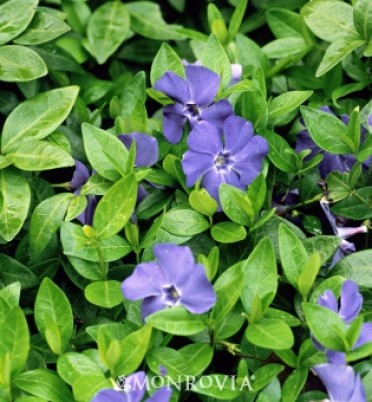
For a colorful, low-maintenance lawn in shade to part-shade, native plant expert Shannon Pable recommends: self-heal (Prunella vulgaris), violets (Viola spp.), green-and-gold (Chrysogonum virginianum), mazus (Mazus repta
Growing Fir Trees in Georgia: Elevation Is Everything
Fraser fir might survive in upper north Georgia if youre near 5,000 ft elevation. They hate heat/humidity—wax-coated needles invite spider mites, Phytophthora, woolly adelgid. Choose a cold, loose-soil site. Southern Tre
Magnolia Won't Bloom: Patience Is the Only Cure
Magnolias bloom on their own schedule—sometimes years after planting. Nothing speeds it up. Enjoy the glossy foliage, and float a neighbors blooms in water for your mom to enjoy the fragrance.
Tomato Disease Buildup: Rotate or Use Grafted Plants
Five years of tomatoes in one spot = disease buildup. Rotate to non-solanaceous crops (beans, squash, peas) for 2–3 years. If space is tight, plant grafted tomatoes—heirloom tops on disease-resistant rootstock. Graft you
Queen Palm Winter Survival: 13°F Likely Fatal
Queen palms survive to ~25°F (maybe 20°F in sheltered spots). Your area hit 13°F—check for green at the growing tip (crown). If none, theyre dead. Check if the nursery offers a cold-damage guarantee.
Salt Licks Attract Deer—And They'll Eat Your Impatiens
A salt lick creates an attractive nuisance—deer will linger and browse nearby plants. Impatiens are a deer favorite. Repellents (Liquid Fence, Deer Defeat, PlantSkyyd, Milorganite) may help, but removing the salt lick is
Plants Named 'Daniel': Roses, Clematis, Daylilies & More
Looking for a plant named Daniel? Crowdsourced finds: Daniel Ost rose, Daniel Deronda clematis, Daniel Boone daylily, Daniel peace lily, Daniel apricot, Daniel Weeks hardy ginger. And as one wit noted, plenty of daniel-i
Bermuda Grass in Zoysia: Selective Control with Glyphosate Wipe
No chemical kills bermuda in zoysia without harming zoysia. But bermuda greens up earlier. Exploit this: in early spring, use the sock-and-glove method (rubber glove + cotton sock dipped in glyphosate) to wipe only the g
Cut Bamboo for Stakes: Won't Root, So Harvest Freely
Fresh-cut bamboo stems will not root in soil—safe for trellises and stakes. Unlike privet, willow, or alder, which can sprout from cut stems. Since bamboo is often invasive, encourage gardeners to harvest plenty!
Scalping Bermuda Lawns: When and How Low to Go
Scalping (mowing very low) is safer than burning. Do it when you see the first hint of green—usually mid-March. Drop mower to ~1 inch, but dont scalp to dirt. Removes dead thatch, warms soil faster, promotes earlier gree
Identifying Zoysiagrass: Late Green-Up, Stiff Blades, Slow Growth
First to go dormant, last to green up, stiff prickly blades, slow growth even with fertilizer? Thats zoysiagrass. These traits are diagnostic. For a full lawn ID guide, see xrl.us/grassid.
Apple & Peach Trees: No Cross-Pollination Worries
Planting apple and peach trees together wont create appeaches. Apples (Malus) and peaches (Prunus) are in different genera—pollen incompatible. Apples cross with crabapples; peaches with plums/apricots. Plant them side b
Plasticulture for Home Gardens: Black Plastic Mulch Benefits & Tips
Black plastic mulch (plasticulture) warms soil, conserves moisture, and allows precise water/fertilizer placement via drip tape underneath. Ideal for heat-lovers: peppers, tomatoes, eggplant, okra, beans. Not for vining
Copyright © www.100flowers.win Botanic Garden All Rights Reserved