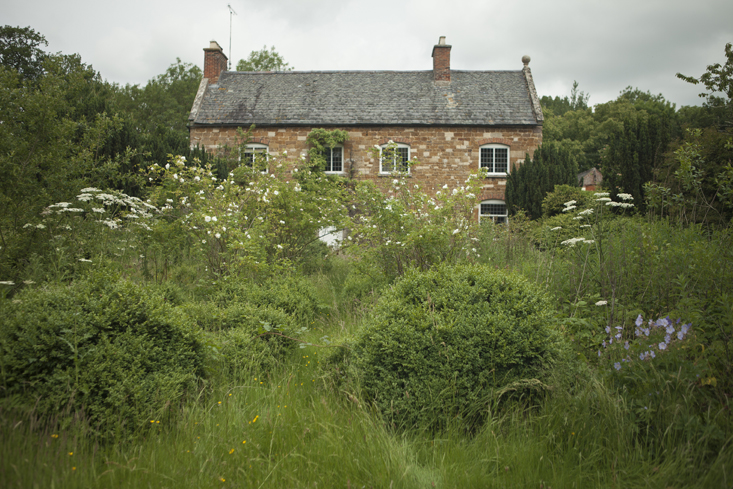

Zoysia in Shade: Nursery Claims vs. Reality
A nursery claimed zoysia needs only 2 hours of sun. False. It needs 4–6 hours minimum. If fescue failed there, zoysia will too—it grows slower, so bare spots from shade stay bare longer, inviting weeds. Zoysia excels in

Diesel Fuel for Pine Beetles? Dangerous Myth—Don't Do It
A tree removal company suggested pouring diesel around pine trunks to kill beetles. Bad idea. Diesel damages roots, contaminates soil, and doesnt control beetles inside the tree. Homeowners have few effective options onc
Growing Haricot Vert (French Filet Beans)
Haricot vert are simply slender snap beans. Varieties: Rolande, Maxibel, Emerite. Plant after mid-April in full sun, 6 inches apart, on trellis. Harvest young and tender.
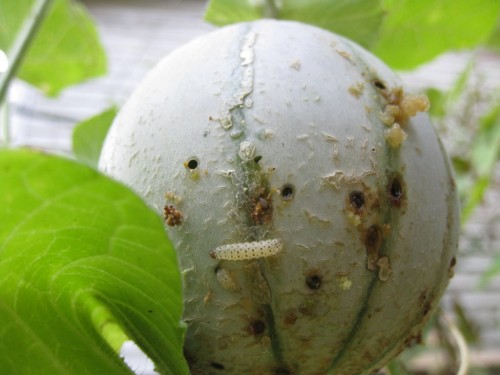
Pickleworms in Squash: Identification, Lifecycle, and Control
Those green worms inside your yellow squash? Pickleworms—larvae of a brownish-yellow night-flying moth. Females lay 300–400 eggs in clusters on buds and flowers. Young larvae bore into flower buds; older ones tunnel into
Growing Celeriac (Celery Root) in Georgia: Heat Is the Challenge
Celeriac needs cool nights (<70°F) and 100-120 days to mature—difficult in Georgia summer. Start seeds indoors early March, transplant late April, harvest when tops yellow in June/July. Roots are edible at any size.
Old Potting Soil: Still Usable If Dry
Unopened bags of potting soil stored dry for 2 years are fine to use. If they got wet, use as soil amendment in beds instead of containers.
Killing Large Wisteria Vine After Pergola Removal
Cut wisteria trunk at ground level, bore holes, and pour glyphosate into them. Also paint cut surface. This kills some roots but not all. You must remove every sprout for 3+ years to starve the root system completely.
Compost Critters: Build It and They Will Come
Dont buy compost insects. If you turn the pile occasionally and keep it moist but not soggy, earthworms, beetles, microbes, and other decomposers will colonize naturally. Add a layer of twigs to create air pockets and ha
Air Layering Camellias: Why Large Branches Don't Work
Air layering requires a specific ratio: a half-inch diameter stem, 12 inches below the tip, with enough leaves above to support root formation. A large branch has too much top growth for the limited roots to sustain. Sti
Heirloom and Hybrid Vegetables: Cross-Pollination Concerns
Corn cross-pollination affects kernel flavor, but beans and squash are self-pollinating or insect-pollinated with no flavor impact. Only seed saving is affected—offspring will blend traits. If you dont save seed, plant f
Precision Glyphosate Application: The Sock-and-Glove Method for Bermuda Grass
Spraying Roundup near daylilies is a recipe for collateral damage. Instead, use the sock-and-glove technique: wear a rubber glove, pull a cotton sock over it, dip the sock in glyphosate solution, and wipe it directly ont
Using Polyester Row Covers for Squash Vine Borer Control
Cover squash at 4-inch height with row cover supported by 2-ft stakes. Seal edges with soil. Remove when first female flowers appear (male flowers come first). Plants are then large enough to resist borers.
'Quinault' Strawberry Not Suited for Georgia
Quinault is a 1967 Washington State variety that performs poorly in Georgias heat. Better choices: Earliglow, Allstar, Chandler, Camarosa. Renew beds annually for sustained production. See xrl.us/strawberries for renovat
Growing Soybeans for Homemade Soy Milk: Economics and Basics
You can grow soybeans for soy milk, but yields are modest: ~1 lb beans per 18 sq ft, yielding ~4 liters milk per 20 sq ft. Plant in full sun, well-drained soil after frost. Buy seeds from organic grocers or online. Its a
Rhododendron Pruning: Deadhead, Don't Shear
To encourage bushiness and more blooms, twist off spent flower trusses (deadhead) after flowering. This stimulates 2-3 new shoots per cut. Mulch to keep roots cool and moist. Fertilize now, early June, and optionally Sep
Lilac Bloom Failure in Georgia: Chill Hours and pH
Lilacs need winter chill hours to bloom. Cultivars like Angel White, Dark Knight, Betsy Ross, and Miss Kim are more reliable in Georgia. Also, lilacs prefer near-neutral pH—apply a handful of garden lime around each plan
Why Wood Chip Piles Steam: Microbial Heat
Steam from a wood chip pile is water vapor from heat generated by billions of fungi and bacteria decomposing the wood. Decomposition is slow oxidation—just like a billion coworkers eating lunch in a closed room would gen
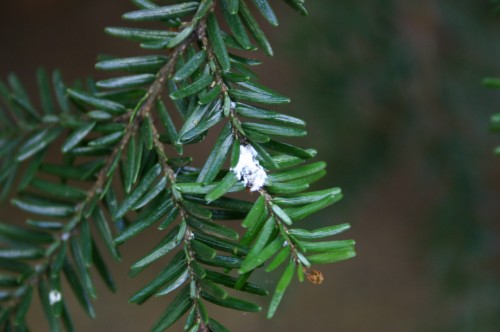
Preventing Hemlock Woolly Adelgid in North Georgia
Hemlock woolly adelgid has devastated hemlocks in North Georgia. Prevention requires annual soil injection of imidacloprid (systemic insecticide) around each tree. Contact Union County Extension agent Mickey Cummings—hi
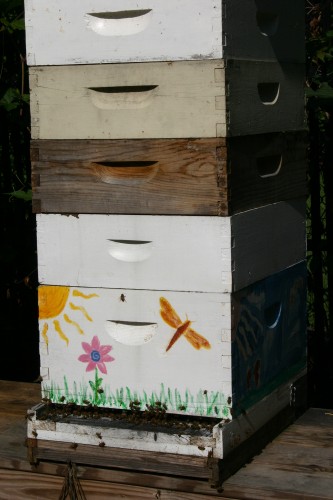
Local Honey Does Not Cure Allergies: Study Confirms
A University of Connecticut study found no difference in allergy symptoms between people consuming local honey, commercial honey, or honey-flavored corn syrup. Seasonal allergies are triggered by windborne pollen, not in
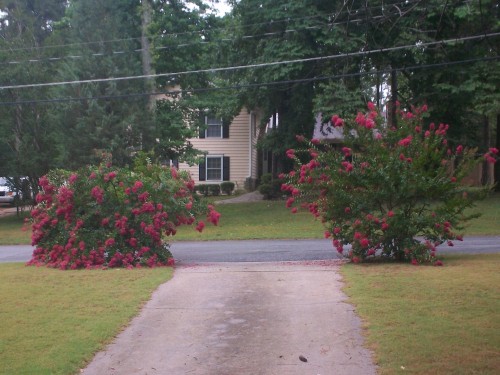
Floppy Crapemyrtles: Caused by Severe Pruning
Severe winter pruning (crape murder) produces long, weak, vigorous shoots that flop under flower weight. Instead, only remove limbs thinner than a little finger. This maintains natural structure and strong branches. Pho
Copyright © www.100flowers.win Botanic Garden All Rights Reserved