


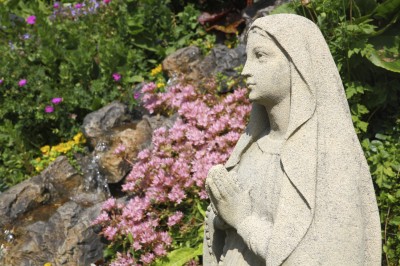
Over 125 plants, trees, and herbs appear in the Bible. A biblical garden weaves these species into a landscape of reflection, education, and beauty—whether a dedicated plot or plants tucked into existing beds.
Blackberry bush (Rubus sanctus), acacia, bulrush, burning bush (Loranthus), cassia, coriander, dill, sage.
Almond, grapevine, mandrake, oak, rockrose, walnut, wheat. (Arborvitae = Tree of Life; apple = Tree of Knowledge.)
Aloe, boxthorn, cinnamon, flax.
Anemone, carob, Judas tree, jujube, mint, mustard.
Beans, plane tree, reeds, canes.
Almug tree, caper, cedar of Lebanon, lily, pine.
Crocus, date palm, henna, myrrh, pistachio, palm, pomegranate, wild rose, saffron, spikenard, tulip.
Research mature sizes. Phase installation. Label clearly. Let the garden teach as it grows—a living concordance rooted in soil.
Gardening Fundamentals: Watering, Pest Control, Soil, and Weed Prevention
5 Essential Steps to Design Your Dream Landscape
Creating a Beautiful Dish Garden: Design Tips and Plant Selection
Buddhist Garden Design: Cultivating Peace Through Landscape
Garden Design Tips: Color, Structure, and Style for Beautiful Landscapes
Garden Features for Improved Design: Define What You Want Before You Build
Moon Garden Design: Enchanting Nighttime Beauty for All Seasons
Urban Gardening: 4 Strategies for City Spaces
5 Pro Vegetable Gardening Tips for Better Harvests with Less Work
Designing a Butterfly Garden: Nectar, Sun, and Sanctuary
Home Garden Plant Selection: Matching Plants to Your Place and Purpose
Garden Design Essentials: Site Analysis, Layout & Plant Selection
Copyright © www.100flowers.win Botanic Garden All Rights Reserved