


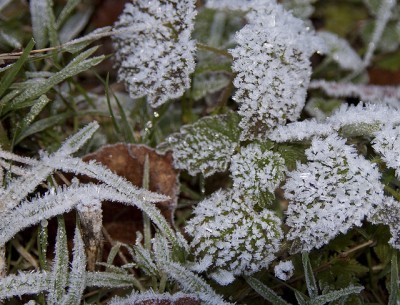
Not all frosts are equal. A light frost (air below freezing, ground still thawed) nips tender tips. A hard frost (air and soil frozen) can kill roots and destroy buds. Knowing the difference — and your last frost date — saves plants.
New growth and flower buds on emerged perennials, shrubs, and trees freeze solid. Damage shows as blackened, mushy tips and dead buds. Spring bloomers that set buds the previous year (lilacs, forsythia) may lose their entire show. Tender vegetables (tomatoes, peppers) and annuals often die completely.
Prune dead tips back to live wood (a few inches below damage). Remove ruined buds. Plants may rebloom late — or not at all if buds were formed last year. Wait to plant until after your area's average last frost date (from USDA/Extension data) — but keep covers handy.
Choosing Sarracenia for Northeast Iowa and Finding Wild Populations
Spider Mite Infestation on Multiple Houseplants
Wilting Aloe with Babies: Diagnose Light and Water
Wetland Plants: Types, Ecological Roles, and Human Uses
What Is Gardening? Types, Scales & Purposes
Impatiens Necrotic Spot Virus (INSV): Thrips Transmission, Symptoms & Containment
Ericaceous Compost: Make Acidic Compost for Rhododendrons, Blueberries & More
Cottony Growth on Hibiscus: Woolly Aphids or Scale?
Why Every Plant Thrives Better in a Greenhouse Environment
Phenology in the Garden: Nature's Calendar for Planting Success
Perennial Plants: Long-Lived Garden Staples
Allelopathy: How Plants Chemically Compete and What It Means for Your Garden
Bat Pollination: Plants Bats Pollinate & How to Support Them
Ericaceous Compost: Creating Acidic Compost for Acid-Loving Plants
Copyright © www.100flowers.win Botanic Garden All Rights Reserved