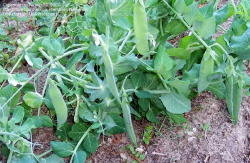


Hummingbird Vine (Ipomoea quamoclit) Not Bush
Fine leaves, scarlet penny-sized flowers = hummingbird vine (annual morning glory relative). Self-seeds prolifically. Pull unwanted seedlings each April. Not Hamelia or Anisacanthus.

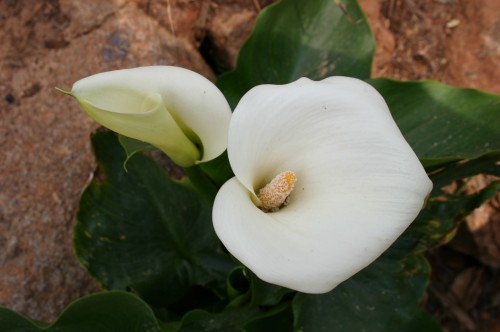
Calla Lily Won't Bloom? Crowd It in a Pot
Common calla not always hardy. No flowers = insufficient light or too much space. Dig in Oct, dry tubers, store cool in newspaper. Spring: plant in clay pot, sink in boggy sunny spot, fertilize. Blooms June. If not, repo
Bone Meal vs. Blood Meal: Nutrient Profiles
Blood meal (12-0-0) = flash-dried slaughterhouse blood, high N. Bone meal (1-11-0) = cooked/ground bones, high P. Both organic. Add K via greensand (0-0-6) or manure (1-1-1).
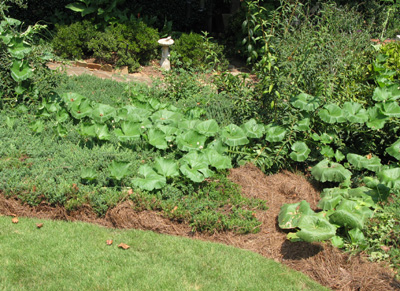
Night-Blooming Bottle Gourd Volunteer
White flowers open at night = bottle/calabash gourd (moth-pollinated). Likely from nearby gourd birdhouse. Vigorous spread. Harvest gourds when brown and dry.
Leyland Cypress Growth Rate and Planting for Fast Screening
The Sleep, Creep, Leap Reality The old adage holds true: Year 1 (sleep) = 1-2 ft growth; Year 2 (creep) = 2-3 ft; Year 3+ (leap) = 3+ ft annually once established. Full sun and summer irrigation are non-negotiable for ma
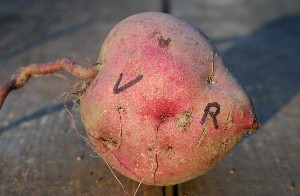
Storing and Propagating Ornamental Sweet Potato Tubers
Winter Storage Protocol Dig tubers after frost kills foliage Mark root end (R) and vine end (V) with permanent marker Cure in dry, dark, cool location (50-60°F) Store in ventilated containers with dry peat or vermiculit
Fungal Mycelium in Compost: Friend or Foe for Flower Beds?
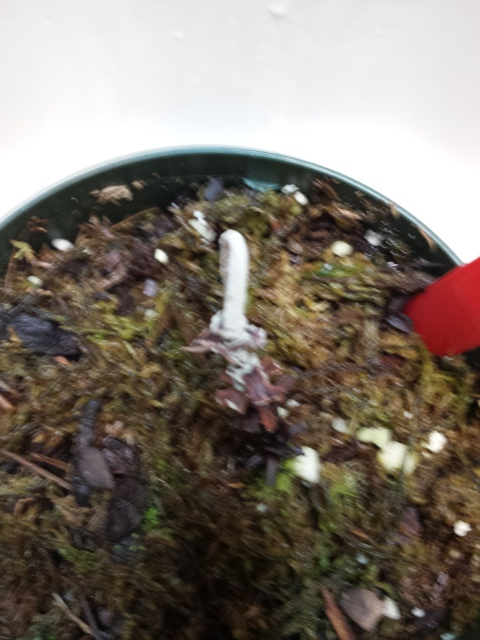
Those Stringy White Roots Are Fungi The mass of white threads in your compost isnt roots—its fungal mycelium (hyphae networks). Fungi are primary decomposers, breaking down complex organic matter. Their presence indicate
Houseplant Guttation: Why Your Corn Plant "Cries"
Natural Water Release Water droplets on leaf tips of dracaena (corn plant) and other tropicals indicate guttation—not crying. When roots absorb more water than the plant can transpire (usually at night with high soil moi
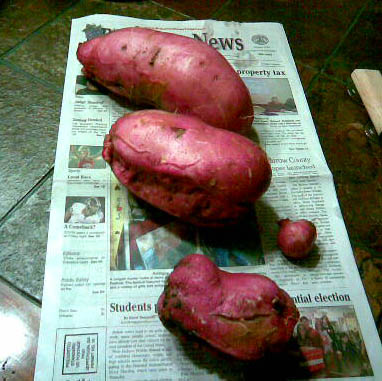
Ornamental Sweet Potato Tubers: Edible But Not Tasty
Same Species, Different Selection Ornamental sweet potatoes (Ipomoea batatas) are the same species as edible sweet potatoes but bred for foliage color and form, not root quality. The tubers are technically edible but fib
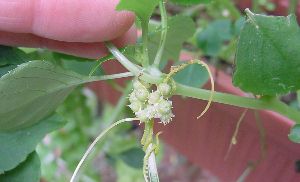
Dodder: Parasitic Vine Requires Drastic Removal
Dodder (Devil’s Hair) attaches parasitic roots to host plants, weakening or killing them. No selective herbicide exists. Pull and destroy all infected plants. Next spring, apply pre-emergent (Preen) to prevent seed germi
Sweet Cherry Trees Don’t Survive in Georgia: Try Berries Instead
Sweet cherries (‘Bing’, ‘Tartarian’, ‘Rainier’) fail from heat and disease. Sour cherries (‘Stella’, ‘North Star’) rarely fruit due to spring frosts. The store shouldn’t have sold it, but buyer research is essential. Eas
Plant Propagation Reference Books: Expert Recommendations
Essential Propagation Library Building a propagation reference collection pays dividends in success rates and technique mastery. These titles range from beginner-friendly to professional technical references. Top Recomm
Iris Aphids: Wash Off, Don’t Spray
Green peach aphids on iris can carry mosaic virus (light rings/streaks). Blast off with a hose. Beneficial insects (parasitic wasps) leave “sesame seed” mummies—don’t kill them with synthetics.
Weed-and-Feed Products: Wrong Timing for Both Grass Types
Weed-and-feed fails because fertilizer and herbicide timing conflict. On bermuda, early application wastes fertilizer (needs 50% green). On fescue, summer feeding promotes disease. Separate tasks: use liquid spray for we
Hosta Hail Damage: Remove Shredded Leaves, Disinfect Tools
Cut off any leaf stem with less than half its leaf remaining. If more than half remains, wait a week—if it dries, remove it. Disinfect pruners with alcohol between cuts. New leaves will emerge from the crown.
Mugo Pine Overgrown: Prune to Interior Needles or Replace
Mugo pines often exceed “dwarf” labels. Cutting back by half may leave no dormant buds, killing the limb. Instead, shorten longest limbs to interior side branches that have needles. Next year, pinch candles at 1″ to thic
Loropetalum Varieties: Size and Color Retention Differences
‘Burgundy’, ‘Blush’, ‘Zhuzhou Fuchsia’ grow large (10 ft). ‘Ruby’, ‘Plum Delight’, ‘Sizzlin Pink’ stay compact (~4 ft) and hold purple color better. Prune too-tall branches back to a horizontal junction for a tighter hab
Rejuvenating Spindly Native Azaleas: Severe Pruning or Transplanting
Prune severely if they have bright semi-shade to stimulate dormant buds. If too shady, transplant now: dig with as many roots as possible, don’t worry about soil ball. Replant immediately in thoroughly tilled, amended so
Choosing a Mower for Bermudagrass: Rotary with Mulching Works Fine
Reel mowers give a carpet look but cost more. Sharp rotary blades cut bermudagrass beautifully. Buy a powerful mulching mower—finely chopped clippings return nutrients without increasing thatch or disease. Extra power en
Weed ID Resources for Georgia Lawns
University of Georgia weed website has photos. Book: Weeds of Southern Turfgrasses. Also useful: University of Illinois weed ID, dgsgardening.btinternet.co.uk/weeds.htm, Virginia Tech Weed ID.
Copyright © www.100flowers.win Botanic Garden All Rights Reserved