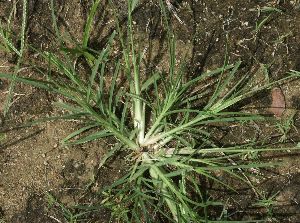
Goosegrass Control in Fescue: Pre-Emergent in May, Post-Emergent if Needed
Goosegrass germinates later than crabgrass (May), so March pre-emergent is gone by then. Maintain thick turf. Apply pre-emergent labeled for goosegrass in mid-March and early May. If established, use sulfentrazone produc

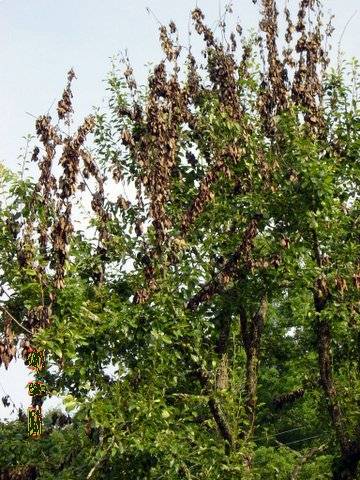
Fire Blight on Bradford Pear: Prune Out, Disinfect Tools
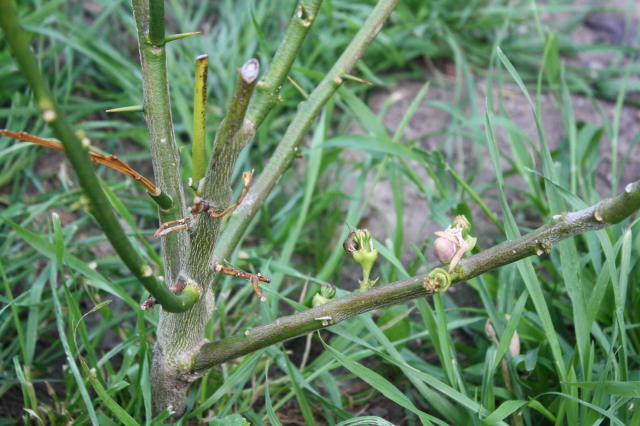
Fire blight (bacterial) causes black leaves and dead branch tips. Fungicides don’t work. Streptomycin sulfate (Agri-Mycin) at bloom time helps, but it’s late now. Prune out black twigs with a pole pruner—two-person job:

Decoding Tomato Disease Resistance Codes (VFFNTASt)
‘Celebrity’ tomato label: V=Verticillium wilt; FF=Fusarium races 1&2; N=Nematodes; T=Tobacco mosaic virus; A=Alternaria (early blight); St=Stemphylium (gray leaf spot). Early blight resistance is valuable—it causes yello
“Evergreen” Daylilies in Georgia: Often a Messy Misnomer
Daylily classes: dormant (leaves die), semi-evergreen, evergreen (try to grow in winter). In Georgia, evergreen types get cold-damaged, turning mushy and risking crown rot. They look untidy. If you clean frozen leaves pr
Moss on Roof Shingles: Copper, Zinc, or Iron Strips Stop It
Metal salts kill moss. Stretch 10-gauge copper wires horizontally across the roof (ridge and 10 ft down). Or use zinc strips (Moss Out! Roof Strips). Temporary sprays: ferrous ammonium sulfate, algicidal soap, or copper
Choosing Blueberries for Zone 7a/7b: Southern Highbush or Rabbiteye
On the Zone 7a/7b line, plant southern highbush or rabbiteye. Northern highbush needs colder. Southern highbush varieties: Early—O’Neal, Cape Fear, Legacy, Summit; Mid—Blue Ridge, Georgia Gem (Zone 8a+); Late—Ozarkblue (
DIY Fertilizer Blend: Substituting 5-10-15 with Farm-Grade Ingredients
Your soil test calls for 5-10-15 fertilizer, but garden centers only stock lawn blends. No problem—you can mix an equivalent ratio using three farm-grade products available at most nurseries. The Recipe In a plastic tub
Cottonseed Meal vs. Hulls: Nutrient Differences and Application Rates
Cottonseed meal (6-2-1) is high nitrogen; hulls (1-1-1) are high fiber. Meal is cheaper at feed stores (same product, not labeled as fertilizer). Use ½″ layer of meal or 2″ layer of hulls under azaleas, blueberries, rasp
Pine Spittlebugs: Harmless Foam on Branch Tips
White foam on pine tips is pine spittlebug nymphs. They suck sap and excrete froth for protection. Wash off with a hose—no pesticide needed.
Do Leaves Flip Before Rain? No—Wind Reveals Lighter Undersides
Leaves don’t flip to absorb rain. Stomata may open slightly as pressure drops, but the silvery look comes from gusty winds showing lighter leaf undersides (common in aspen, beech, silver maple, euonymus, red maple).
Insecticidal Soap: A Targeted Tool, Not a “Safer” Magic Bullet
Soap is a chemical (alkali + fat). Insecticidal soap dissolves insects’ waxy coating, killing soft-bodied pests like aphids. It’s tested not to harm plant cells—unlike herbicidal soap. Home brews risk herbicidal effects.
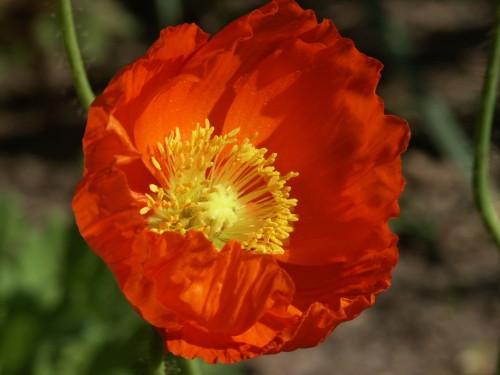
Planting Poppy Seeds: October Sowing for Spring Blooms
Sow poppy seeds (Shirley, Iceland, Oriental, opium) in late October. Scratch soil, scatter seeds among warm-season perennials (agastache, perovskia, boltonia). Poppies bloom early, then vanish in heat. Treat as annuals.
Growing Rhubarb in the South: Cool Site, Partial Shade
Rhubarb struggles in southern heat. Plant roots in the coolest, sunniest spot—east side of a garage works. Amend soil with conditioner (1 bag/10 sq ft). Expect smaller stems than in the North. Strawberries ripen simultan
Butterfly Bush Wilt: Herbicide Drift or Spider Mites?
Green but shriveled leaves suggest herbicide drift (from “weed ’n feed” moving in rain) or sap-sucking pests. Check for aphids (large) or spider mites (tiny beige dots on midvein). Blast aphids with water or spray insect
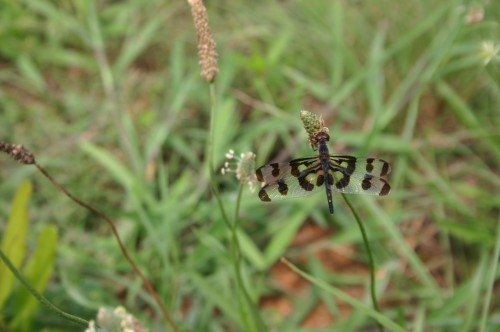
Dragonflies for Mosquito Control: Build Habitat, Don’t Buy Nymphs
Dragonfly nymphs eat mosquito larvae; adults eat adults. If you have a wetland, dragonflies are already there. You can’t easily buy nymphs (though Carolina Biological sells them). Provide mucky areas, tall perches, and p
Argentine Ant Control: Baits Beat Sprays Indoors
Rain floods nests and drives ants inside. Caulk entry points. Avoid indoor sprays; use gel baits near trails or entry points—ants carry poison back to the mound. DIY bait: 4 tbsp peanut butter, 6 tbsp honey, ¾ tsp boric
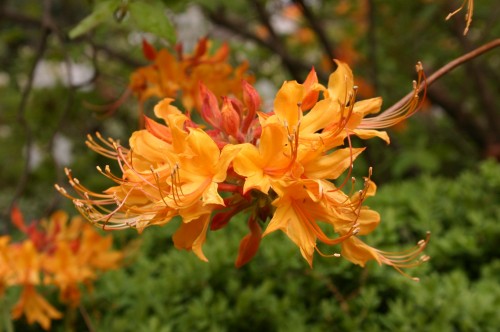
Identifying Native Georgia Plants: Books, Downloads, and Plant Rescues
Free downloads: “Native Plants of North Georgia,” “Native Plants for Georgia” (wildflowers, trees/shrubs/vines, ferns). Books: Wildflowers of Georgia (Nourse), Native Shrubs and Woody Vines of the Southeast (Foote & Jone
Leyland Cypress Alternatives: Cryptomeria, ‘Green Giant’ Arborvitae, and More
Theresa Schrum recommends: Cryptomeria, ‘Green Giant’ arborvitae, Eastern red cedar, and ‘Emerald Green’ arborvitae (smaller, 15×4 ft).
Planting in Pure Composted Cow Manure: Drainage and Salt Risks
Pure compost holds too much water and may have high soluble salts that burn roots. Test a sample for salts at the Extension office before using it as the sole medium in a 20″ deep bed.
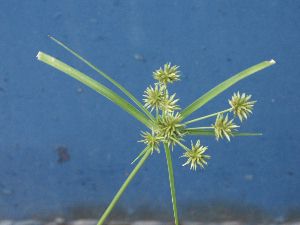
Nutsedge in Liriope: Test Imazaquin on a Small Patch First
Yellow nutsedge in liriope: imazaquin is labeled for some liriope varieties. Test on a small area first. Water in after application; control is slow (weeks). See “Nutsedge Control in Landscapes.”
Copyright © www.100flowers.win Botanic Garden All Rights Reserved