


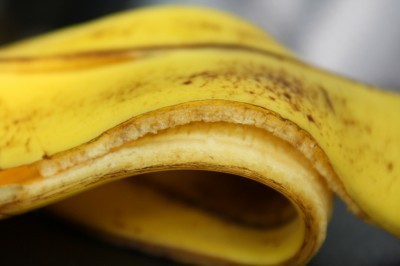
Many gardeners are thrilled to discover banana peels make excellent fertilizer. Adding them to compost contributes organic matter and vital nutrients. Here's how to compost banana peels effectively.
Banana peels add calcium, magnesium, sulfur, phosphates, potassium, and sodium—all crucial for flowering and fruiting plants. They also contribute organic matter that helps compost retain water and lightens soil when added to gardens.
Bonus: banana peels break down quickly, releasing nutrients faster than many compost materials.
Simply toss leftover peels into compost. Whole peels work but take longer. Speed decomposition by cutting peels into smaller pieces.
Can banana peels be used as direct fertilizer? Many sources suggest burying them under plants (especially roses). While not harmful, composting first is better. Buried peels break down slowly without air; a maintained, aerated, turned compost pile makes nutrients available much faster.
Next time you enjoy a banana, remember your compost pile—and eventually your garden—will thank you for the peels.
How to Make Compost Cheaply: The No-Bin Method
Home Composting Guide: Bin Selection, Layering, and Maintenance
How to Make Compost Tea: From Scrap to Spray in 5 Days
How to Build a Compost Pile: Backyard Method for Free Fertilizer
How to Make Your Own Compost: A Beginner's Guide
Composting with Hay Bales: Build a Bin That Becomes Compost Itself
How to Compost Seaweed: Benefits, Harvesting Tips & Seaweed Tea
Composting Cotton Gin Trash: Nutrient Value & Methods for Farmers & Gardeners
Composting Citrus Peels: Myths, Facts & Best Practices
Composting with Hay: Building Bins and Testing for Herbicide Contamination
Growing Edible Bananas in Containers: Varieties and Winter Care
Copyright © www.100flowers.win Botanic Garden All Rights Reserved