


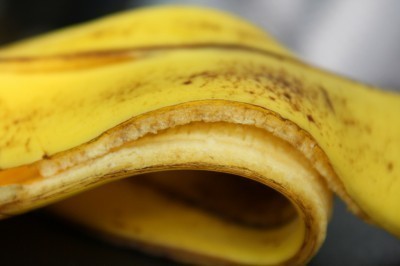
Banana peels are a compost superstar: they decompose rapidly and deliver a potent mineral cocktail—potassium, calcium, magnesium, phosphorus, sulfur, and sodium—that flowering and fruiting plants love. Here's how to compost them effectively, plus why burying them directly isn't the best strategy.
Many gardening books suggest burying peels near roses or tomatoes. It works but has drawbacks:
Better: Compost first, then apply finished compost broadly. You get faster, balanced, pest-free nutrition.
Add a pinch of molasses to feed beneficial microbes during steeping.
Worms love banana peels. In a worm bin:
Conventional bananas are heavily treated with fungicides (thiabendazole, imazalil) on the peel. These can persist in compost. If you compost large volumes, consider organic bananas or rinse peels well. For occasional household amounts, dilution in a diverse pile minimizes risk.
Banana peels are a free, fast, mineral-rich compost ingredient. Chop, bury, balance, and turn—and your garden gets a potassium boost that shows in bigger blooms and better yields.
How to Make Compost Cheaply: The No-Bin Method
Home Composting Guide: Bin Selection, Layering, and Maintenance
How to Make Compost Tea: From Scrap to Spray in 5 Days
How to Build a Compost Pile: Backyard Method for Free Fertilizer
How to Make Your Own Compost: A Beginner's Guide
Composting with Hay Bales: Build a Bin That Becomes Compost Itself
How to Compost Seaweed: Benefits, Harvesting Tips & Seaweed Tea
Composting Cotton Gin Trash: Nutrient Value & Methods for Farmers & Gardeners
Composting Citrus Peels: Myths, Facts & Best Practices
Composting with Hay: Building Bins and Testing for Herbicide Contamination
Growing Edible Bananas in Containers: Varieties and Winter Care
Copyright © www.100flowers.win Botanic Garden All Rights Reserved