


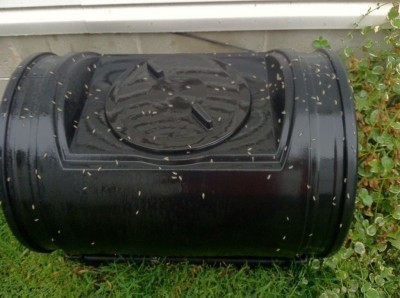
Your compost bin contains kitchen scraps, manure, and decomposing vegetables—prime fly habitat. Should you have flies? The answer is yes and no: some flies are inevitable, but proper management keeps them minimal.
Poor pile construction attracts constant flies. Good management creates premium compost and minimizes houseflies—which spread human diseases, making their control a health priority, not just a nuisance issue.
Flies breed where their food exists. They eat, lay eggs, and within days maggots appear—compounding the problem. Neglected piles become breeding grounds.
The solution is management:
Cool weather naturally reduces fly pressure. Consistent management is the only reliable fly control.
The Ultimate Composting Guide for Beginners: From Basics to Advanced
Indoor Composting: Worm Bins & Small Bioreactors for Any Home
Storing Finished Compost & Compost Tea: Keep It Alive & Ready
The Ultimate Beginner's Guide to Composting: From Basics to Advanced Techniques
Indoor Composting: How to Compost in Your Home or Apartment
Storing Finished Compost: Methods for Preserving Quality Until Use
Iris Borer Control: Sanitation, Scouting, and Physical Removal
Mystery Holes in a Small Tree Trunk: Woodpeckers or Something Else?
Fly Infestation After Bird in Wall: Blow Flies Temporary, No Chemicals Needed
Raccoons in the Attic: Electronic Deterrents as a Supplement to Trapping
Mushrooms in African Violet Pot: Sign of Overwatering
Hibiscus Whitefly Control: Hose and Alcohol Spray
Copyright © www.100flowers.win Botanic Garden All Rights Reserved