


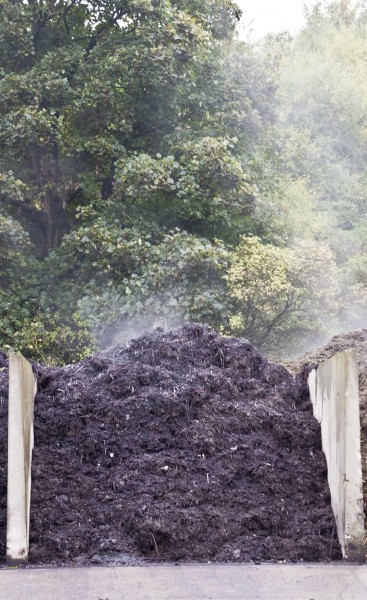
The optimal composting temperature is 160°F (71°C). In hot, sunny climates with infrequent turning, temperatures can climb higher. Can compost get too hot? Absolutely—and it matters for your compost's quality.
Excessive heat kills beneficial microbes that drive decomposition. While properly moist, aerated piles rarely pose fire risk even at high temperatures, the biological damage is real. Spontaneous combustion is extremely rare but theoretically possible in large, poorly managed piles with dry pockets, limited airflow, and uneven moisture.
High temperatures are needed to kill pathogens and weed seeds, but sustained heat above 200°F (93°C) damages the microbial community. Excessive heat also volatilizes nitrogen, reducing your compost's nutrient value.
Temperature persists when piles are turned and oxygenated. Anaerobic conditions (no turning) lower temperature but dramatically slow decomposition.
Compost fires require a perfect storm: dry, unattended material with non-uniform debris pockets; large, insulated piles with restricted airflow; and uneven moisture distribution. Commercial operations face the greatest risk. Proper maintenance—regular turning, moisture monitoring, size management—prevents virtually all issues.
Whether bin, tumbler, or ground pile, compost needs sun and heat but also oxygen and moisture throughout. Monitor these key factors:
With these practices, your compost will maintain the ideal temperature range for producing rich, biologically active garden gold.
Replacing a Lawn with Stone Mulch: Considerations and Installation Tips
Rose Gardening Mastery: Selection, Placement & Care for Spectacular Blooms
Organic Composting: Turn Waste into Garden Gold
Essentials of Good Compost Part 3: Ingredients, Activators, Worms, and Turning
Compost: The Living Soil Amendment Your Garden Craves
Why Your Compost Tea Stinks—and How to Brew It Right
Bad-Smelling Compost Tea: Causes, Fixes, and When to Discard
What to Put in a Compost Bin: Complete Ingredient Guide
What Makes a Plant Truly Organic?
Phototoxicity in Plants: Chemical Sensitivity and Human Risks
Ericaceous Compost: Make Acidic Compost for Rhododendrons, Blueberries & More
Composting Dryer Lint: A Simple Carbon Boost for Your Pile
Ericaceous Compost: Creating Acidic Compost for Acid-Loving Plants
Copyright © www.100flowers.win Botanic Garden All Rights Reserved