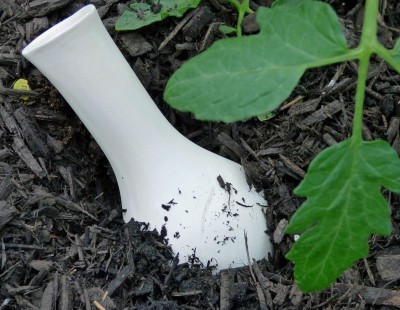
Ollas (unglazed clay pots buried in soil) are a 4,000-year-old irrigation technology that's perfectly suited for today's water-conscious gardeners. Zero pressure, zero evaporation, zero runoff—just slow seepage directly to roots. Here's how to use olla irrigation in containers and beds.
How Ollas Work
- Bury unglazed terra cotta pot (olla) up to neck.
- Fill with water. Cap neck (prevents mosquitoes, evaporation).
- Water seeps through micropores by soil moisture tension.
- Roots grow toward moisture, form dense mat around olla.
- Refill weekly (or when empty). Water moves only where roots need it.
Why Ollas Win on Efficiency
| Method | Water Loss | Root Zone Delivery |
|---|
| Surface watering | High (evaporation, runoff) | Shallow, uneven |
| Drip irrigation | Low (some evaporation) | Emitter-dependent |
| Olla | Near zero | Direct, demand-driven |
- 50–70% less water than surface irrigation.
- Weeds starve (surface stays dry).
- No fungal issues (foliage stays dry).
- Perfect for vacation (1–2 week reservoir).
Choosing & Preparing Ollas
- Material: Unglazed terra cotta only. Glazed/painted = no seepage.
- Size: 1–5 gallon. 1 gal = 1–3 plants (12–18" radius).
- Shape: Wide body, narrow neck (less evaporation, easy fill).
- Prep: Soak 24 hrs before first use. Test seep rate (should empty in 2–5 days).
- Cap: Terra cotta saucer, stone, cork, or 3D-printed lid. Screen if mosquitoes.
Installation in Containers
- Container ≥ 12" diameter, 12" deep per olla.
- Place olla in center (round) or spaced (rectangular).
- Fill around with potting mix. Plant 4–6" from olla wall.
- Water from top first 2 weeks until roots establish.
- Then fill olla only. Top-water only for fertilizer/flushing.
Installation in Ground Beds
- Space ollas 3–4 ft apart (2–3 ft radius each).
- Bury to neck. Backfill firmly—no air gaps.
- Plant seeds/transplants in ring around olla.
- Mulch heavily over soil surface (not olla neck).
Best Crops for Olla Irrigation
- Excellent: Tomatoes, peppers, eggplant, squash, melons, cucumbers, beans, corn, herbs, greens.
- Good: Perennials, fruit trees (young), berries, flowers.
- Poor: Shallow-rooted (radish, lettuce—need surface moisture for germination), tubers (potato—hilling interferes).
Maintenance & Troubleshooting
- Refill frequency: Check weekly. Mark neck with fill line.
- Clogged pores: Soak in vinegar 24 hrs, scrub. Annual.
- Cracked olla: Replace. Hairline cracks leak fast.
- Salt buildup: Flush annually with top watering (rain or hose).
- Winter: Remove in freeze zones. Store dry. Or bury deeper + insulate.
DIY Olla Options
- Two terra cotta pots (same size) + silicone sealant at rims = double capacity.
- Unglazed flower pot + saucer sealed as cap.
- 3D printed olla (food-safe ceramic filament).
Ollas are low-tech, high-efficiency irrigation that works with plant biology, not against it. Ideal for containers, raised beds, drought zones, and gardeners who want to water less and grow more.
Copyright © www.100flowers.win Botanic Garden All Rights Reserved


