


Cranberry pills have surged in popularity worldwide thanks to their purported health benefits. In this article, we'll examine the scientific evidence behind these supplements to determine whether they live up to the hype.
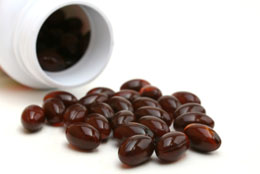
Cranberries are epigynous berries native to the northern hemisphere and a major commercial crop in several U.S. states. While they're consumed as whole fruit, sauce, and juice, the supplement form offers distinct advantages. Because cranberry pills are concentrated, they're often more nutritionally potent than commercially available juice, which is frequently diluted and loses nutritional value. The composition varies by brand, but some capsules provide the equivalent of five glasses of cranberry juice. Many researchers argue this concentrated form makes pills superior to juice or whole berries for therapeutic purposes.
Clinical trials at the U.S. National Institutes of Health (NIH) have acknowledged numerous benefits of cranberry supplements, which often exceed those of juice.
Cranberry pills act as potent antioxidants, neutralizing free radicals caused by diet and environmental factors. Vitamins A, C, and various minerals strengthen the immune system, offering protection against multiple ailments.
These supplements soothe inflammation and reduce UTI-related pain. Like cranberry juice, they prevent bacteria—particularly E. coli—from adhering to bladder walls, significantly lowering infection risk.
Rich in flavonoids, cranberry pills help prevent LDL ("bad") cholesterol formation in arteries, reducing atherosclerosis risk and subsequent cardiovascular events like stroke.
Studies suggest the strong antioxidants in cranberry supplements may inhibit cancer cell growth. They also support detoxification by transporting toxins and bacteria to the liver for elimination.
Despite their benefits, cranberry pills can cause adverse effects. Allergic reactions to cranberries or interactions with medications (especially blood thinners like warfarin) are possible. The temporary relief they provide shouldn't replace proper medical treatment for serious conditions. Always consult a healthcare provider before starting cranberry supplements, particularly if you take prescription medications or have existing health conditions.
While research continues to uncover new benefits, current evidence supports calling these "wonder pills" for their wide-ranging health potential.
Hardie Controller Flashes, Won't Run – 15 Years Old, Replace
Landscape Architecture Career Insights
Concrete Sidewalk Renovation: Stamped, Overlay, or Stain?
Fertilizing New Norway/Spruce in Ohio: Stop Now for Winter Prep
Endometriosis Herbal Protocol: Wild Yam/Vitex + Cramp Bark
Cranberry Juice Nutrition Facts: Vitamins, Minerals, and Health Benefits
Controlling Aphids on Mussaenda with Horticultural Oil
Why Bougainvillea Cannot Survive Chicago Winters
Black Calla Lily Alternatives for a Black & White Wedding
Cost-Effective Dandelion Control on Large Acreage
Professional Help Needed for Ground Ivy Control
Dried Cranberry Benefits: Nutrition, Immune Support, and Culinary Uses
Is Your 'Emerald' Zoysiagrass Really 'Emerald'? Genetic Testing Reveals Differences
Copyright © www.100flowers.win Botanic Garden All Rights Reserved