


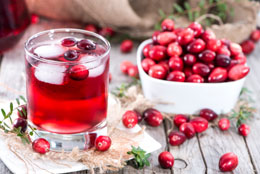
Cranberry juice is a nutrient-dense beverage packed with essential vitamins and micronutrients. As one of America's most important commercial crops, cranberries are primarily processed into juice, sauce, and dried fruit. Let's examine the detailed nutritional profile and science-backed health benefits.
* mcg = microgram, IU = International Unit
Cranberry juice promotes urination, helping eliminate toxins. Some evidence suggests 3-4 glasses daily for 4-5 days can assist in cleansing certain substances from the body. It's also popular for improving skin and hair quality.
Cranberry juice increases hippuric acid in urine, creating an acidic environment where UTI-causing bacteria (especially E. coli) cannot thrive. Its antioxidants also strengthen immune defenses against future bacterial attacks.
Research on cranberry juice and kidney stones remains mixed. While some studies suggest benefits, others indicate it may increase calcium oxalate levels. Consult a healthcare provider for personalized advice.
Women face higher osteoporosis risk, and cranberry juice provides calcium for bone strength. Its organic acids may support weight management, and it's equally effective against UTIs in both genders.
Compounds in cranberry juice can destroy H. pylori bacteria responsible for stomach ulcers, reducing ulcer risk with regular consumption.
Polyphenols in cranberry juice help balance cholesterol levels, reducing cardiovascular disease risk.
Healthcare professionals typically recommend two glasses daily for adults and one glass for children to obtain benefits without overconsumption.
Designing a Plant Experiment with V8 Juice
Cranberry Pill Side Effects: Risks, Precautions, and Medical Interactions
Do Cranberry Supplements Actually Work? Examining the Evidence
Does the Cranberry Juice Detox Diet Actually Work?
Cranberry Pills During Pregnancy: Benefits, Risks & Dosage Guide
Is Cranberry Juice Good or Bad for Your Teeth? The Surprising Truth
Cranberry Pills Benefits: Complete Guide to Supplement Advantages
Gardening Fundamentals: Art, Science, and Practice Across Cultures
Rafflesia: The World's Largest, Heaviest, and Stinkiest Flower
Rose Flower Facts: Anatomy, History, and Surprising Science
Redbud Tree (Cercis) Guide: Four-Season Beauty for Small Landscapes
Dried Cranberry Benefits: Nutrition, Immune Support, and Culinary Uses
Tulip Tree Facts: North America's Tallest Eastern Hardwood
Organic Fertilizer: Types, Benefits, and Practical Applications
Copyright © www.100flowers.win Botanic Garden All Rights Reserved