


The Tall Bearded Iris 'Gay Parasol' opens a vintage parasol parade in the late spring garden, its charming name evoking the bygone era when "gay" meant simply lighthearted and carefree. Introduced in 1973 by Schreiner, this mid-century cultivar has been shading the garden with beauty for half a century.
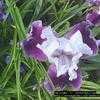
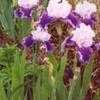

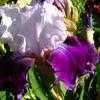
| Family: | Iridaceae (eye-rid-AY-see-ee) |
| Genus: | Iris (EYE-ris) |
| Cultivar: | Gay Parasol |
| Hybridized by: | Schreiner |
| Registered/Introduced: | 1973 |
Schreiner's 'Gay Parasol' (1973) comes from the early 1970s, a golden era for tall bearded iris development when ruffling, lacing, and color range were advancing rapidly. The name suggests a ruffled, laced, or otherwise parasol-like flower—perhaps with the kind of deeply waved edges that mimic a fringed parasol. Parasol-themed names in iris nomenclature often signal heavily ruffled cultivars. Cultivars from 1973 often strike a pleasing balance—more refined than 1960s types but retaining the vigor and constitution of that era. They tend to be reliable increasers with good heat tolerance. 'Gay Parasol' has five decades of proven garden performance. Tall bearded irises are among the most drought-tolerant perennials once established. They require consistent moisture only during the 6-8 week spring growth and bloom period. After bloom, they can survive on rainfall alone in most climates. This adaptation to summer drought makes them ideal for Mediterranean climates and water-wise gardens. In humid regions, ensure excellent air circulation and avoid overhead watering.
Tall Bearded Iris 'Mesmerizer': A 1990 Byers Hypnotic
Tall Bearded Iris 'Ocelot': A 1997 Ghio Spotted Wonder
Tall Bearded Iris 'Seafarer': A 1948 Butterick Voyage
Tall Bearded Iris 'Swerti': A 1612 Historic Survivor
Tall Bearded Iris 'Acoma': A 1987 Magee Introduction
Tall Bearded Iris 'Conjuration': A 1988 Byers Introduction
Tall Bearded Iris 'Fogbound': A 1997 Keppel Introduction
Tall Bearded Iris 'Jumping': A 2000 Schreiner Introduction
Tall Bearded Iris 'Liaison': A 1986 Ghio Introduction
Tall Bearded Iris 'Rustler': A 1987 Keppel Introduction
Copyright © www.100flowers.win Botanic Garden All Rights Reserved