


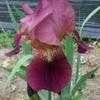
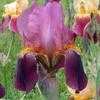
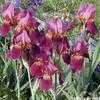
Introduced in 1929 by hybridizer Connell, Iris 'Dauntless' stands as a remarkable historic tall bearded iris cultivar that has graced gardens for nearly a century. This heirloom variety represents the early golden age of iris breeding in America, when hybridizers were establishing the foundation for modern tall bearded irises.
Hybridized by Connell and registered in 1929, 'Dauntless' emerged during a pivotal era when iris breeders were expanding color ranges and improving plant habit. The name 'Dauntless' suggests a bold, resilient character—fitting for a cultivar that has persisted in cultivation for over 90 years. Early 20th-century introductions like this one formed the genetic backbone for countless modern varieties.
As a tall bearded iris, 'Dauntless' produces the classic stately fans of sword-like foliage topped by branched stems bearing multiple buds. The flowers display the distinctive architecture of the class: three upright standards, three descending falls with prominent beards, and the intricate color patterning that makes tall bearded irises so captivating. Bloom season typically aligns with late spring to early summer, coinciding with the peak iris flowering period.
Like all tall bearded irises, 'Dauntless' thrives in full sun with well-drained, slightly alkaline soil. Plant rhizomes at or just below the soil surface, allowing the tops to receive sunlight. Divide clumps every 3–4 years in late summer to maintain vigor and prevent overcrowding. This historic cultivar offers gardeners a living connection to the early days of American iris breeding.
Tall Bearded Iris 'Ocelot': A 1997 Ghio Spotted Wonder
Tall Bearded Iris 'Seafarer': A 1948 Butterick Voyage
Tall Bearded Iris 'Swerti': A 1612 Historic Survivor
Tall Bearded Iris 'Acoma': A 1987 Magee Introduction
Tall Bearded Iris 'Bewilderbeast': A 1994 Kasperek Marvel
Tall Bearded Iris 'Fogbound': A 1997 Keppel Introduction
Tall Bearded Iris 'Jumping': A 2000 Schreiner Introduction
Tall Bearded Iris 'Liaison': A 1986 Ghio Introduction
Tall Bearded Iris 'Rustler': A 1987 Keppel Introduction
Tall Bearded Iris 'Sambuca': A 2001 L. Johnson Introduction
Copyright © www.100flowers.win Botanic Garden All Rights Reserved