


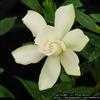
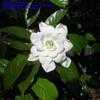
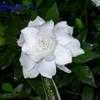
Gardenia jasminoides, the Common Gardenia or Cape Jasmine, is an evergreen shrub revered for its intensely fragrant, waxy, white flowers and glossy, dark green leaves. It's a classic of Southern gardens and a challenging but rewarding houseplant.
| Classification | Details |
|---|---|
| Family | Rubiaceae |
| Genus | Gardenia (gar-DEEN-ya) |
| Species | jasminoides (jaz-min-OY-deez) |
| Synonyms | Gardenia angusta, G. augusta, G. florida, G. grandiflora, G. radicans |
Native to China, Japan, and Taiwan, this shrub grows 3–6 feet tall and wide. The 2–4 inch flowers are single or double, powerfully sweet-scented, aging to creamy yellow. Bloom time is late spring to summer. It requires acidic soil (pH 5.0–6.0), consistent moisture, high humidity, and bright light (morning sun, afternoon shade).
Hardy in zones 8–11; in cooler zones, a demanding houseplant. Common issues: bud drop (stress), yellow leaves (iron chlorosis in alkaline soil), pests (whiteflies, scale). Use acid fertilizer, mulch, and monitor water. The fragrance is unmatched—a garden treasure worth the effort.
White Substance on Gardenia: Mealybugs and Cold Hardiness
Confederate Jasmine Decline: Water, Cold, or Fungus?
Why Your Jasmine Vine Won't Bloom: Causes and Solutions
Gardenia Care: Yellow Leaves After Planting
Bitter Aloe (Aloe ferox): A Majestic, Single-Stemmed Aloe with Medicinal Sap
Why Jasmine Flowers Fall Off: Natural Blooming Cycle
Gardenia Mealybug Infestation and Leaf Drop: Prune and Spray
Can You Convert a Gardenia Bonsai to a Regular Pot?
Jasmine Care Depends on Species—Identify Yours First
Reviving a Jasmine Plant After Drought Stress: Leaf Drop Solutions
Jasmine Bloom Cycle and Mildew Control: Detailed Regimen
Forcing Jasmine to Flower: Light, Pruning, and Fertilizer Adjustments
Copyright © www.100flowers.win Botanic Garden All Rights Reserved