


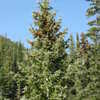
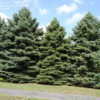
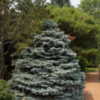
The Colorado Spruce, famously known as Blue Spruce, is one of the most recognizable and beloved ornamental conifers in North American landscapes. Native to the central Rocky Mountains, Picea pungens captivates with its striking silvery-blue needles, pyramidal symmetry, and exceptional cold hardiness.
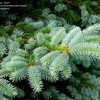
The species' hallmark is its needle color—ranging from green to intense silvery-blue depending on genetics and growing conditions. The stiff, sharp, four-sided needles (pungens = sharp-pointed) radiate around the branches. The tree maintains a dense, pyramidal form throughout its life, typically reaching 50-75 feet tall in cultivation with a 20-35 foot spread. Cylindrical cones (3-4 inches) mature to light brown.
| Family: | Pinaceae (py-NAY-see-ee) |
| Genus: | Picea (PY-see-uh) |
| Species: | pungens (PUN-gens) |
Blue Spruce performs best in full sun with moist, well-drained, slightly acidic soil. It struggles in heavy clay, extreme heat, and high humidity—conditions that promote fungal diseases like Rhizosphaera needle cast and Cytospora canker. Good air circulation and avoiding overhead irrigation help prevent issues.
Numerous cultivars offer size and color variations: 'Glauca' group for intense blue color; 'Fat Albert' for compact, dense form; 'Hoopsii' for brilliant silver-blue; 'Baby Blue Eyes' for smaller stature; and 'Montgomery' for dwarf, globular habit. For the most reliable blue color, purchase vegetatively propagated cultivars rather than seed-grown specimens, which show high variability.
Colorado Blue Spruce Fall Planting Care in Ontario: Watering, Staking, and Winter Prep
Colorado Blue Spruce Overwatering: Daily Soaking Causes Needle Drop
Colorado Blue Spruce Heat Stress: Competition and Watering
Saving Colorado Blue Spruce Trees from Rhizosphaera Needle Cast
Colorado Blue Spruce Failure: When to Demand Refund
Light Requirements for Colorado Blue Spruce: Daily Minimum, Not Just Seasonal
Hydrangea 'Blue Bunny': Unique Involucrata with Rabbit-Ear Buds
Hosta 'Blue Angel': Giant Blue Hostas for Dramatic Shade Presence
Hosta 'Blue Cadet': Compact Blue Hosta for Small Spaces
Hosta 'Blue Ice': Benedict's Crystalline Beauty
Hosta 'Blue Umbrellas': Shaw-Aden's Sheltering Canopy
Hosta 'Bressingham Blue': Bloom's British Blue Blood
Hosta 'Blue Shadows' – Deep Blue Foliage for Serene Garden Spaces
Hosta 'Blue Mammoth' – Colossal Blue Foliage for Grand Gardens
Copyright © www.100flowers.win Botanic Garden All Rights Reserved