


| Family: | Ericaceae (er-ek-AY-see-ee) (Info) |
| Genus: | Arbutus (ar-BYOO-tus) (Info) |
| Species: | menziesii (menz-ESS-ee-eye) (Info) |
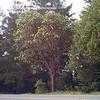
The Pacific Madrone (Arbutus menziesii), often simply called Madrone or Arbutus, is a broadleaf evergreen tree iconic to the coastal ranges of western North America, from British Columbia to California. With its muscular, twisting trunks clad in exfoliating cinnamon-red bark and glossy, leathery leaves, it brings year-round sculptural beauty to the landscapes it inhabits.
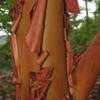
The bark is the Madrone's crowning glory. Smooth and thin, it peels annually in papery sheets, revealing a fresh, satiny layer beneath that ranges from chartreuse to deep orange-red, darkening to a rich mahogany with age. This constant renewal gives the trunk a polished, almost muscular appearance. The tree typically grows 20–50 feet tall (occasionally to 100 ft in ideal conditions) with a broad, rounded crown of crooked, picturesque branches.
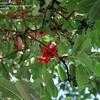
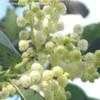
In spring, dense terminal panicles of urn-shaped, fragrant white to pinkish flowers appear, beloved by bees and hummingbirds. These give way to clusters of spherical, bumpy berries (0.5 in) that ripen from green to bright orange-red in autumn, persisting into winter. The fruit is edible but mealy; it feeds birds (robins, band-tailed pigeons) and mammals. Leaves are alternate, oval, 3–6 inches long, dark green and glossy above, paler below, with serrated margins—evergreen, providing winter structure.
Madrone is a pioneer species on dry, rocky, well-drained slopes, often associated with Douglas-fir and oak. It has a deep, wide-spreading root system that resents disturbance—making transplanting difficult and nursery production challenging. It demands sharp drainage, acidic soil, and minimal summer irrigation once established (USDA Zones 7–9). Fungal leaf spots and cankers can be issues in humid or poorly drained sites.
For the patient gardener with the right site, Madrone offers an irreplaceable native presence: four-season bark interest, wildlife value, and a deep connection to the Pacific Northwest landscape.
Pacific Coast Iris, Pacifica (Iris douglasiana): Native Western Beauty
Ocean Pacific Tall Bearded Iris: Ghio's Coastal Inspiration
Hosta plantaginea: The Fragrant Species with Giant White Flowers
Hosta 'Pacific Blue Edger' – Compact Blue for Borders
Comfortroot (Hibiscus aculeatus)
Copyright © www.100flowers.win Botanic Garden All Rights Reserved