


The coast redwood is the tallest tree species on Earth, native to the foggy coastal ranges of California and Oregon. These majestic conifers create awe-inspiring forests and are symbols of longevity and resilience.

| Family: | Cupressaceae |
| Genus: | Sequoia |
| Species: | sempervirens |
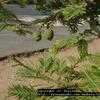
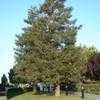
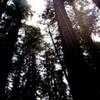
Coast redwoods can exceed 350 feet in height and live over 2,000 years. They have a straight, massive trunk with thick, fibrous, reddish-brown bark. Leaves are needle-like, flat, dark green above with two white stomatal bands below. Cones are small, about 1 inch long.
They require mild, humid climates with summer fog, deep well-drained soil, and ample moisture. Outside their native range, they are grown as ornamentals in suitable climates (e.g., UK, New Zealand). The wood is highly valued for its decay resistance and beauty.
Old-growth redwood forests are protected in parks. Planting cultivated trees helps preserve genetic diversity.
Pacific Coast Iris, Pacifica (Iris douglasiana): Native Western Beauty
Hosta plantaginea: The Fragrant Species with Giant White Flowers
Chicago Gold Coast Daylily: A Lakeside Beauty from 1975
Comfortroot (Hibiscus aculeatus)
Hibiscus hamabo: Coastal Species
Scots Pine (Pinus sylvestris): Classic Eurasian Conifer
Washingtonia × filibusta: The Hybrid Fan Palm for Marginal Climates
Mandrinette – Hibiscus boryanus
Furcraea macdougalii: A Giant, Trunk-Forming Relative of Agave
Euphorbia bupleurifolia: A Bizarre, Pineapple-Topped Succulent with a Caudex
Candelilla (Euphorbia antisyphilitica): A Leafless, Wax-Producing Shrub for Extreme Heat
Desert Rose (Adenium arabicum)
Copyright © www.100flowers.win Botanic Garden All Rights Reserved