


Sugarberry, also known as sugar hackberry, is a medium to large deciduous tree native to the southeastern United States. Closely related to common hackberry, it shares similar toughness but has smoother bark, narrower leaves, and sweeter fruit—hence the name. It is a valuable component of bottomland forests and urban canopies in the South.
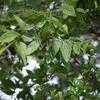
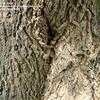
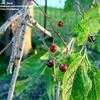
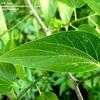
Bark is smoother and lighter gray than common hackberry, with fewer corky warts. Leaves are lanceolate, smoother above, and usually entire or with few teeth. Fruit is orange-red to black, sweet and edible, ripening in fall. Fall color is yellow. The tree grows 50–70 feet tall with a spreading, rounded crown.
Prefers moist, fertile soils of floodplains and riverbanks but adapts to drier, upland sites. Tolerates flooding, moderate drought, and urban conditions. Hardy in USDA zones 5–9. Fast-growing in youth. Less prone to nipple gall than C. occidentalis.
Shade tree, street tree, wildlife food source (fruit eaten by many birds and mammals), and naturalizing in wetland margins. Wood used for furniture, crates, and firewood.
Sugar Coated Tall Bearded Iris: A Sweet Pink Cultivar from 2006
Siberian Iris 'Butter and Sugar': Classic Bicolor Elegance
Sugar Blues Tall Bearded Iris: Zurbrigg's Sweet Melody
Hosta 'Sugar and Cream': Classic Green and White Variegated Hosta
Tropical Hibiscus 'Sugar Plum' – 2009 Black Hybrid
Durian (Durio zibethinus): The King of Fruits—Love It or Hate It
Washingtonia × filibusta: The Hybrid Fan Palm for Marginal Climates
Hosta plantaginea: The Fragrant Species with Giant White Flowers
Comfortroot (Hibiscus aculeatus)
Hibiscus hamabo: Coastal Species
Mandrinette – Hibiscus boryanus
Furcraea macdougalii: A Giant, Trunk-Forming Relative of Agave
Euphorbia bupleurifolia: A Bizarre, Pineapple-Topped Succulent with a Caudex
Candelilla (Euphorbia antisyphilitica): A Leafless, Wax-Producing Shrub for Extreme Heat
Copyright © www.100flowers.win Botanic Garden All Rights Reserved