


Family: Verbenaceae (ver-be-NAY-see-ee)
Genus: Lippia (LIP-pee-uh)
Species: dulcis (DUL-sis)
Synonyms: Phyla dulcis, Phyla scaberrima
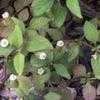
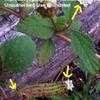
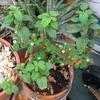
Aztec sweet herb is a low, creeping perennial (often grown as an annual in cooler climates) with small, oval, toothed leaves on trailing stems. The foliage emits an intensely sweet, herbal aroma when crushed—due to hernandulcin, a sesquiterpene compound estimated to be 1,000 times sweeter than sucrose. Tiny white flowers cluster in small heads at leaf axils from summer to frost.
Native to Mexico, Central America, and the Caribbean. Grow in full sun to partial shade with well-drained soil. Drought tolerant once established. In zones 9–11, it's a perennial groundcover; elsewhere, treat as a tender annual or overwinter indoors. Spreads by rooting at nodes; can be grown in hanging baskets or as a spiller in mixed containers.
Used by the Aztecs as a sweetener and medicinal herb (called tzopelic-xihuitl). The leaves can be used fresh or dried to sweeten teas, desserts, and fruit dishes. A natural, zero-calorie sweetener alternative. Traditional uses include respiratory ailments, digestive issues, and as a general tonic. Note: High doses may have camphor-like toxicity; use in moderation.
Unique conversation plant for herb gardens and educational collections. Attracts small pollinators. Deer resistant.
Growing Sweet Basil: The Versatile Kitchen Herb
Sweet Iris, Dalmatian Iris (Iris pallida): The Orris Root Source
Sweet Shalimar Daylily: A 1988 Hansen Fragrant Delight
Aztec Gold Daylily: A 1936 Dennett Historic Treasure
Jiaogulan (Gynostemma pentaphyllum): Sweet Tea Vine and Adaptogen
Balm of Gilead (Cedronella canariensis): Fragrant Canary Island Herb for Tea and Potpourri
Sweet Noor (Euphorbia coerulescens): A Blue-Green, Columnar Euphorbia
Texas Huisache (Acacia smallii): Fragrant Spring Bloomer for Arid Lands
American Chestnut: The Lost Giant of Eastern Forests
Sweet Chestnut (Castanea sativa): European Nut Tree
Common Mugwort (Artemisia vulgaris): A Hardy Perennial with a Storied Past
Smooth Water Hyssop (Bacopa monnieri): Herb of Grace for Wet Areas
Aztec Lily (Sprekelia formosissima): Orchid-Like Scarlet Blooms
Copyright © www.100flowers.win Botanic Garden All Rights Reserved