


Family: Lamiaceae (lay-mee-AY-see-ee)
Genus: Cedronella (sed-roh-NEL-uh)
Species: canariensis (kuh-nair-ee-EN-sis)
Synonyms: Cedronella triphylla, Melissa canariensis, Dracocephalum canariense
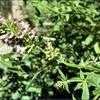
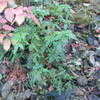
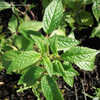
Balm of Gilead is a tender perennial subshrub native to the Canary Islands, growing 2–3 feet tall with upright, square stems. The opposite, ovate leaves are bright green, slightly hairy, and release a rich, sweet, balsamic fragrance when crushed—reminiscent of pineapple, mint, and citrus combined. In summer, it produces whorls of tubular, two-lipped pinkish-purple flowers that attract bees and butterflies.
Grow in full sun to partial shade with well-drained soil. Drought tolerant once established. Not frost hardy (zones 9–10); in cooler climates, grow as an annual or overwinter indoors in a bright, cool location. Pinch back to encourage bushiness. Excellent for containers and herb gardens.
The name references the biblical "Balm of Gilead," though this is not the true biblical plant (Commiphora gileadensis). Historically used in European herbal medicine for wounds, respiratory ailments, and as a general tonic. Today, the leaves make a delicious, aromatic tea—hot or iced. Used in potpourri, sachets, and to flavor liqueurs. The essential oil has antimicrobial and anti-inflammatory properties.
One of the most delightfully fragrant foliage plants. A conversation piece for herb enthusiasts. Deer resistant.
Ball Cactus (Parodia magnifica): A Handsome Globe with Silky Yellow Spines and Crown of Flowers
Carpet Weed (Cheiridopsis candidissima): A Silvery, Mat-Forming Mesemb from South Africa
Sausage Tree: Africa's Bizarre & Beautiful Kigelia
Clinopodium douglasii: Yerba Buena – Native Mint with Delicate Fragrance
Florist's Cineraria (Pericallis cruenta): The Vibrant Winter Bloomer
Pregnant Onion (Albuca bracteata): Curious Bulb with Baby Offsets
Anise Hyssop (Agastache foeniculum): Pollinator Magnet with Licorice Scent
Stevia (Stevia rebaudiana): Natural Zero-Calorie Sweetener
Wild Bergamot (Monarda fistulosa): Native Bee Balm for Prairies
False Freesia (Anomatheca laxa): Dainty Red Star Sprays
Green Dragon (Arisaema dracontium): Native Jack's Long-Tongued Cousin
Copyright © www.100flowers.win Botanic Garden All Rights Reserved