


This bulbous plant demands a large pot—even new plants need a half-gallon container or larger for their first year. It will break its pot when it needs more space. With ample water, sunlight, and a unique soil blend, stems can reach nearly 2 feet (60 cm) and flowers add another foot (30 cm). Blooms emit a strong vanilla scent.
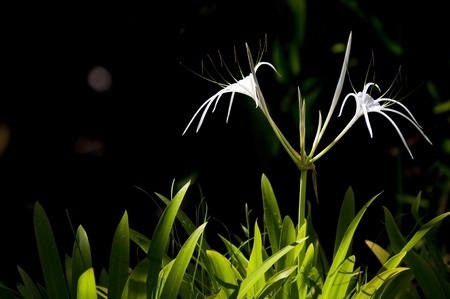
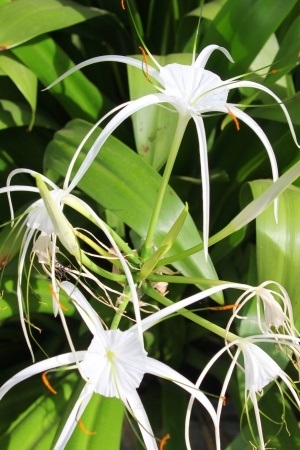
From the bulb, multiple shoots arise with arching strap-shaped leaves up to 2 feet long. In mid-summer, white flowers emerge from leaf ends. Each flower has a 5–7 inch (14–17 cm) tube, opening into a white bloom with narrow, arching tepals that give a spider-like appearance.
To encourage next year's blooms, provide a resting period in late August/early September: reduce water, stop fertilizing, and lower light for at least three weeks after blooms fall.
Few problems typically. Lack of flowering or small flowers is most common.
- If no flowers: month-long fertilizer break, reduce watering, keep soil damp, provide darker location.
- If still no flowers: check soil moisture and sunlight.
- Outdoors: check daily for snails/slugs eating leaves; remove them.
Mystery Growth in Dracaena Soil: Fungus or Mealybug Eggs?
Why Your Indoor Hibiscus Is Wilting Between Waterings
Growing Jasmine on an Indoor Trellis
Peace Lily Yellow Leaves: Drainage Is Essential
Indoor Tomato Flowering: Fixing Nutrient Imbalance
Complete Guide to Growing Herbs Indoors: From Setup to Harvest
Growing Citrus Indoors: Fragrant Flowers and Fruit in Containers
Managing Mushroom Fungi in Potted Plant Soil
Growing Roses in Containers: A Complete Guide for Patio and Balcony Gardens
Plant Windows: Creating Indoor Greenhouses for Demanding Plants
Growing Basil (Ocimum basilicum)
Growing Spider Plant (Chlorophytum comosum): Easy Houseplant & Summer Container Star
Growing Hydrangea as a Houseplant: Indoor Care & Outdoor Transition
Copyright © www.100flowers.win Botanic Garden All Rights Reserved